
1. The Global Structural Transition from Taped Diapers to Toddler Pull-Up Pants
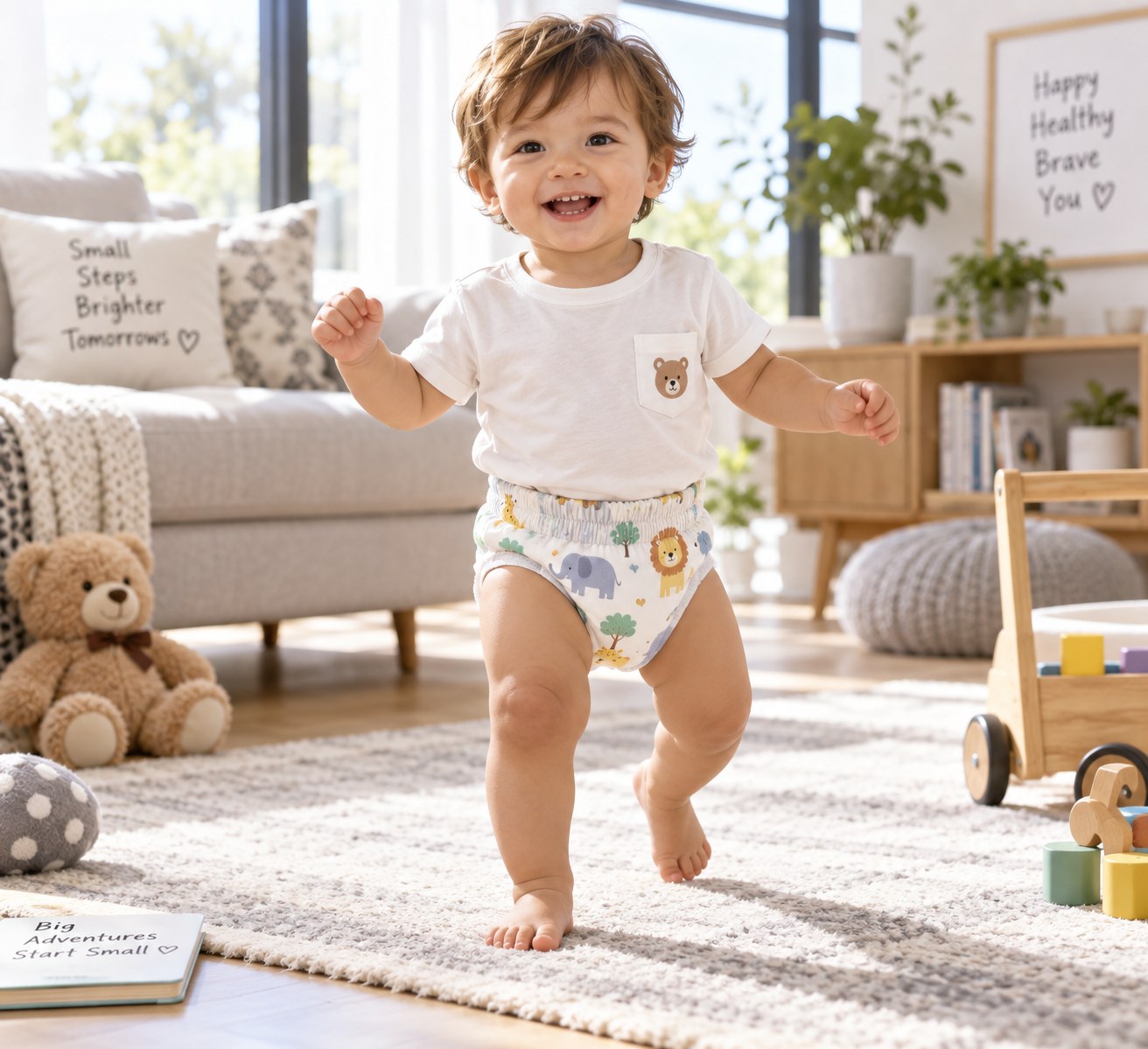
From a biomechanical and developmental perspective, the transition from crawling to upright walking and running involves dynamic changes in toddler pelvic geometry and abdominal pressure gradients. When a toddler bends, squats, or tumbles, the circumference of their lower abdomen expands by up to 22% within a fraction of a second. Traditional rigid side tapes cannot accommodate this dynamic expansion, resulting in uncomfortable abdominal constriction or tape pop-offs. Shenghongda’s 360° Lycra waistband structure utilizes continuous multi-axial elastic recovery curves, allowing the garment to expand seamlessly during vigorous play and instantly recover its snug anatomical contour when the child stands upright, maintaining an impenetrable leak-proof seal without inhibiting natural gross motor development.
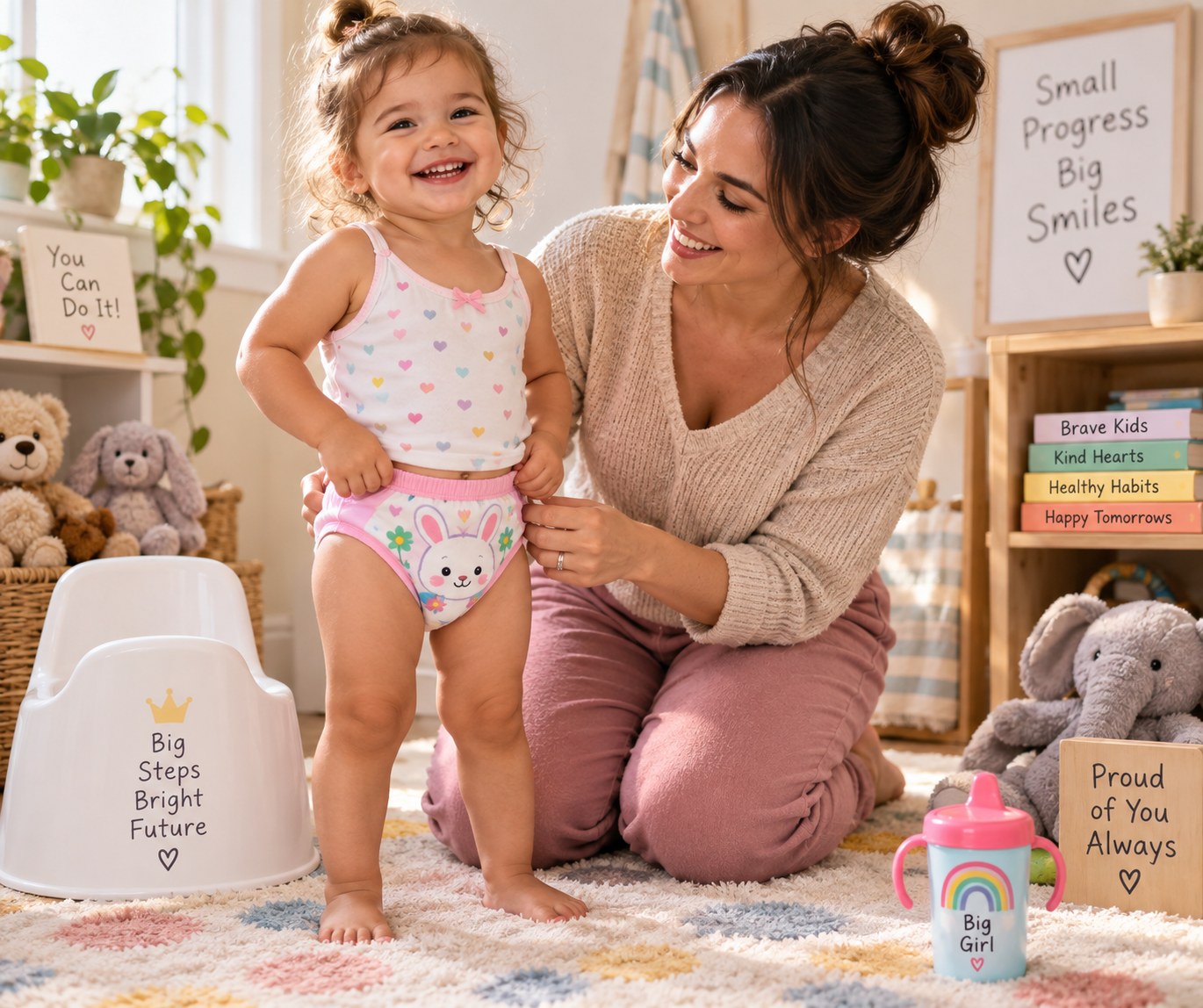
Furthermore, toilet training represents an emotional milestone for modern families. Clinical child psychologists and pediatricians emphasize that fostering toddler self-efficacy during potty training requires garments that children can independently pull down and pull up without adult assistance. Traditional taped diapers reinforce feelings of infant dependency. In contrast, Shenghongda’s pull-up pants feature ultra-stretchable side panels and smooth waistband borders that even 18-month-old toddlers can grip and maneuver independently, accelerating successful daytime toilet training while providing parents with overnight leak security.
The global infant absorbent hygiene market is witnessing a massive, irreversible generational pivot. In mature and developing consumer markets alike—spanning Western Europe, North America, Japan, and urban China to Latin America and Southeast Asia—sales of toddler pull-up training pants (pants-style diapers) are dramatically outgrowing traditional taped infant diapers. Modern millennial and Gen-Z parents increasingly prioritize active toddler mobility, independent potty-training transition, and convenient changing ergonomics. In major supermarket retail aisles and e-commerce platforms, pull-up pants now account for over 55% of total infant category value for toddlers aged 9 to 36 months.
However, from an industrial manufacturing and consumer satisfaction perspective, engineering a premium pull-up pant is substantially more demanding than producing a standard taped diaper. While conventional taped diapers rely on static chassis dimensions with lateral hook-and-loop fastening wings, pull-up pants require a continuous 360-degree elastic waistband that must fulfill contradictory physiological requirements: it must offer sufficient radial elasticity to accommodate a toddler’s expanding post-prandial abdomen without slipping during vigorous crawling and running, yet exert gentle, uniform contact pressure that avoids painful red skin indentations. Furthermore, when an active toddler voids while running or climbing, fluid dynamics are unpredictable, demanding instantaneous core absorption to prevent sag-induced leg cuff gaps.
Early-generation pull-up diapers suffered from notorious performance defects: bulky absorbent cores that sagged heavily between toddlers' knees, stiff thermal ultrasonic weld seams that abraded sensitive hips, and weak tear-away side seams that ruptured prematurely during application. Quanzhou Shenghongda Hygiene Products Co., Ltd. has resolved these mechanical challenges by deploying specialized Japanese Zuiko full-servo pull-up converting lines across its 8,000 square meter Quanzhou manufacturing center, producing world-class toddler training pants under Baby Pull-Up Training Pants, Baby Diapers OEM Manufacturing, and Biodegradable Bamboo Eco Diapers.
Operating under strict ISO 13485:2016 and ISO 9001:2015 quality governance, Shenghongda provides international private label brand owners and supermarket retail conglomerates with ultra-thin channeled pull-up pants that combine 360° cloud-soft elastic waistbands, zero-leakage security, and high-density container freight economics across 88 export nations.
2. Polymer Viscoelasticity, 360° Elastic Waistband Mechanics & Channeled Thin Cores
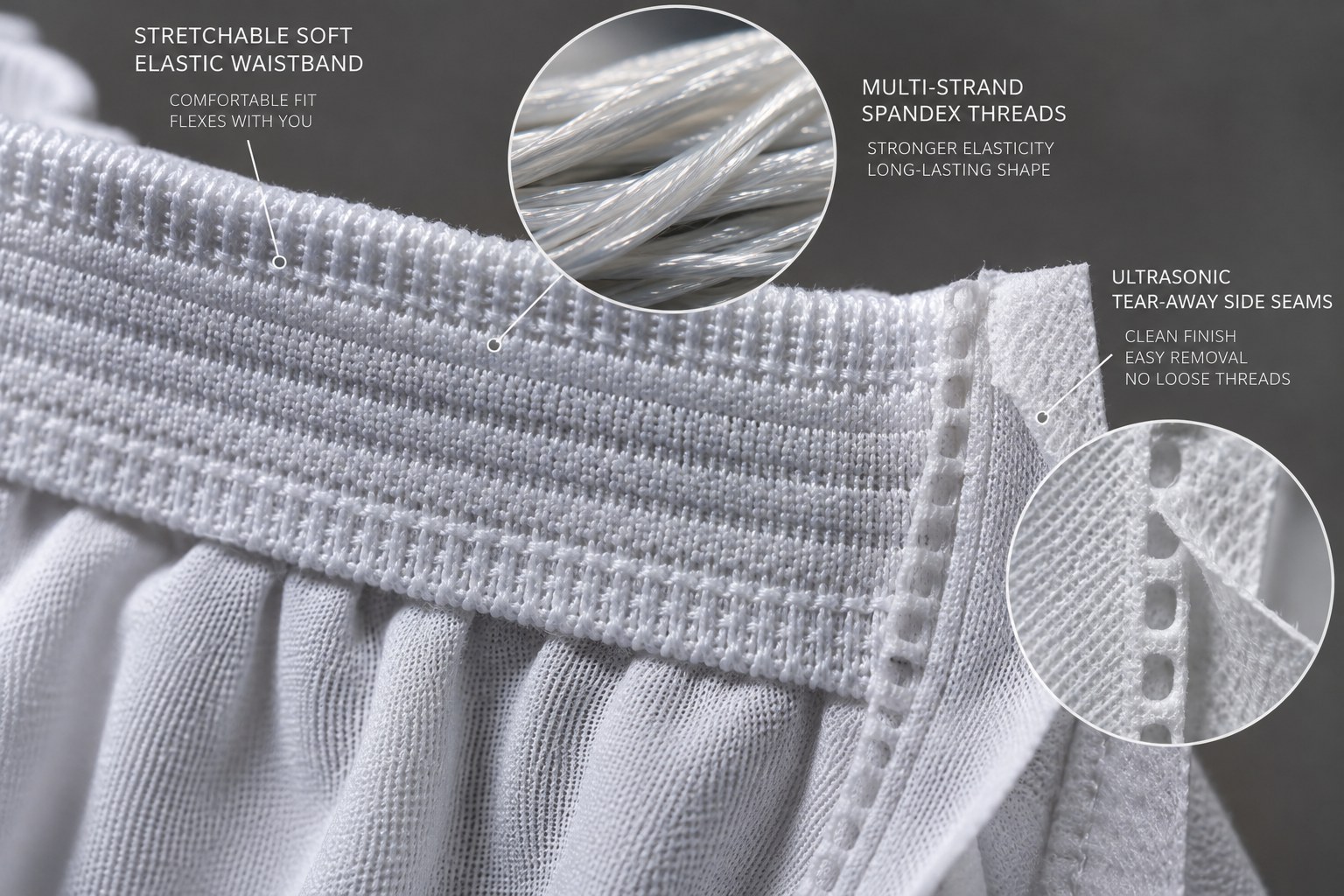
At the center of Shenghongda’s pull-up engineering is our proprietary 360-degree dynamic elastic waistband architecture. Conventional economy pull-up diapers incorporate a limited number of heavy-denier rubber or synthetic elastic bands (typically 12 to 16 strands) positioned under high individual tension. This legacy construction creates localized high-pressure constriction rings that restrict subcutaneous blood flow and leave deep red welts on a toddler’s sensitive skin. In contrast, Shenghongda’s high-speed Zuiko lines deploy an ultra-dense matrix of over 42 individual micro-strands of medical-grade Invista Lycra spandex (560 to 800 dtex) distributed across the front and rear waistband zones.
Each Lycra micro-strand is fed through computerized servo-controlled tensioning creels that calibrate elongation along a multi-zone gradient: higher tension at the upper hip perimeter to ensure active garment suspension, and progressively softer tension across the central abdominal pouch to eliminate stomach pressure during digestion. The elastic strands are laminated between dual layers of ultra-soft through-air bonded (ATB) nonwovens using medical-grade hot-melt adhesives from German leader Henkel Adhesives (Germany), applied in microscopic contactless swirls that preserve 100% of nonwoven breathability. This delivers a gentle, continuous radial clamping pressure under 0.8 Newtons—firm enough to prevent slipping during energetic toddler play, yet soft enough to feel like breathable cotton underwear.
To eliminate bulky toddler waddling and core sagging, Shenghongda replaces traditional thick fluff cores with an engineered 0.8 mm ultra-thin composite absorbent core. The core incorporates Japanese Sumitomo Seika Chemicals (Japan) Aqua Keep superabsorbent polymers anchored within a multi-layer airlaid nonwoven structure. Using proprietary ultrasonic longitudinal embossing, the core features dual "smart absorption channels" that guide fluid insults rapidly along the longitudinal axis of the diaper. When a high-velocity toddler void occurs, liquid strike-through is achieved in under 1.6 seconds via our high-loft Acquisition Distribution Layer (ADL).
As the polymer granules swell, the channels prevent the gel from bunching into heavy clumps between the toddler’s thighs. Instead, fluid is distributed evenly across the entire surface area of the core, maintaining a flat, flexible anatomical profile. On the exterior barrier, Shenghongda applies breathable microporous polyethylene films laminated with spunbond nonwovens, achieving an MVTR exceeding 3,600 g/m²/24h under ASTM E96 testing, ensuring continuous ventilation that keeps sensitive toddler skin cool, dry, and entirely free of diaper rash.
| Component / Feature | Standard Commercial Specification | Shenghongda Premium Pull-Up Spec | Verification Standard | Toddler & Parental Benefit |
|---|---|---|---|---|
| Waistband Elastic Architecture | 14 - 18 heavy elastic strands | 42+ Invista Lycra micro-strands | Multi-Axis Tensile Tester | 360° cloud-like fit; zero red waist marks |
| Side Seam Tear-Away Structure | Rigid thermal weld (abrasive edge) | Ultrasonic micro-welded tear seam | ASTM D1876 Lateral Peel Test | Smooth against skin; tears cleanly for changes |
| Absorbent Core Profile | Bulky fluff pulp (3.5 - 4.5 mm) | 0.8 mm Ultra-Thin Channeled Core | Micrometer Thickness Gauge | Eliminates waddling; zero sag between legs |
| Initial Liquid Strike-Through | 3.0 - 4.5 seconds | < 1.6 seconds (Lister Tester) | EDANA NWSP 070.1.R2 | Instantly absorbs surges; zero surface pooling |
| Surface Rewet (0.5 psi load) | 0.35 - 0.70 grams | < 0.05 grams (Clinically dry) | EDANA NWSP 070.1.R2 | Prevents diaper rash during active movement |
| Chassis Breathability (MVTR) | < 1,800 g/m²/24h | ≥ 3,600 g/m²/24h (Microporous) | ASTM E96 Inverted Cup | Continuous airflow keeps toddler skin rash-free |
3. Japanese Zuiko Full-Servo Converting Lines & Ultrasonic Side-Seam Welding
Manufacturing pull-up pants at line speeds exceeding 450 units per minute requires converting automation far more complex than standard taped diaper machinery. Because a pull-up pant is a closed tubular garment rather than an open flat chassis, the continuous nonwoven web must undergo complex folding, dynamic elastic thread insertion, ultrasonic side-seam welding, and rotational die-cutting without interrupting high-speed linear momentum. Shenghongda’s Quanzhou converting complex houses specialized Japanese Zuiko full-servo pull-up lines that represent the pinnacle of modern converting automation.
A critical engineering innovation on our Zuiko lines is the ultrasonic rotary side-seam welding system developed in collaboration with Herrmann Ultraschall. Traditional pull-up diapers utilized thermal heat-sealing bars to fuse the side seams. However, thermal conductive sealing frequently overheats the nonwoven fibers, creating hard, crystalline plastic beads that scratch the toddler’s hips and cause erratic tear resistance during parental removal. In contrast, Shenghongda’s 35 kHz ultrasonic rotary anvils generate localized acoustic friction exclusively at the molecular interface of the polypropylene nonwovens. In fewer than 8 milliseconds, the ultrasonic horn forms a soft, flexible micro-weld that withstands active toddler running (lateral tensile strength > 18 N/50mm), yet tears effortlessly and smoothly downwards when a parent removes the soiled pant.
Inline quality assurance is maintained by multi-camera Cognex high-speed digital machine vision systems equipped with multi-spectral polarized LED strobes. High-speed optical algorithms inspect 100% of finished pull-up units in real-time, verifying:
- Waistband Elastic Symmetry: Optical tracking verifies that all 42 Lycra strands are continuous, unbroken, and tensioned symmetrically across front and back panels.
- Side-Seam Weld Integrity: High-resolution optical sensors verify continuous ultrasonic welding without pinholes or edge tears.
- Disposal Tape Application: Verifying that the rear roll-up disposal tape is positioned symmetrically and firmly adhered to the backsheet.
- Foreign Particulate Contamination: Detecting minute foreign fibers, dark specks, or insect contamination down to 0.2 mm² surface area.
4. Empirical Laboratory Testing, CNAS Validation & International Standards Verification
To substantiate technical claims during retail supermarket audits and international consumer testing, all pull-up lines manufactured by Shenghongda undergo exhaustive empirical testing in our in-house testing facility operated under strict CNAS National Accreditation and ISO 9001:2015 accreditation. Our testing regimen bridges standardized physical bench testing with clinical toddler mobility simulations, providing brand owners with unassailable empirical proof of performance.
A primary performance benchmark for baby pull-ups is the ISO 11948-1 (Rothwell Method) Rothwell Method for Total Absorbency Capacity (TAC). While many commercial manufacturers quote inflated "free-swell" absorption figures, Shenghongda strictly reports verified Rothwell retention values. In this protocol, full diaper samples are submerged in 0.9% physiological saline for 30 minutes, suspended vertically from a calibrated drainage rack for precisely 30 seconds to allow gravitational runoff of unabsorbed surface moisture, and then re-weighed on analytical balances. Shenghongda’s pull-up pants deliver verified Rothwell values between 750 ml and 1,150 ml (Size 4 to Size 6), providing complete 12-hour overnight security for active toddlers.
Equally critical is the Surface Rewet Under Load test, evaluated under EDANA Standards NWSP 070.1.R2 protocols. A pull-up that holds fluid is ineffective if that liquid readily bleeds back against fragile infant skin when the toddler sits down. In our automated testing setup, following three consecutive 60 ml saline insults delivered at 15-minute intervals, a standardized stack of pre-weighed laboratory filter paper is placed over the core insult zone, and a mechanical dead-weight delivering 0.5 psi (3.5 kPa)—simulating the localized pressure of a seated child—is applied for precisely two minutes. Shenghongda’s premium cores consistently record rewet values below 0.05 grams, whereas typical market competitors often release between 0.35 and 0.70 grams of moisture back onto the test papers. This exceptional dryness performance directly validates the superior cross-linking density of our Sumitomo SAP formulation and the moisture-trapping architecture of our virgin fluff pulp envelope.
Standing leg barrier cuffs undergo hydrostatic head pressure testing in accordance with ISO 1420. The hydrophobic SMS nonwoven barrier fabric must withstand a continuous vertical water column pressure exceeding 220 mm H₂O before any micro-droplet penetration occurs. Side-seam tensile strength is evaluated on dual-column universal testing machines (ASTM D1876), ensuring closures withstand 18 N/50mm width during movement while tearing cleanly under parental pulling force. Microbiological assays conducted in accordance with GB 15979, USP <61>, and USP <62> verify total aerobic microbial counts strictly below 20 CFU/g, with complete absence of Escherichia coli, Staphylococcus aureus, and Pseudomonas aeruginosa.
| Performance & Design Parameter | Standard Conventional Taped Diaper | Shenghongda 360° Pull-Up Training Pant | Parental & Commercial Advantage |
|---|---|---|---|
| Toddler Potty-Training Transition | Impractical; child cannot pull down independently | Pulls up and down like real underwear | Fosters toddler independence and rapid potty training |
| Active Movement Fit & Retention | Prone to tape detachment and sagging when full | 360° Lycra waistband maintains continuous fit | Zero slippage during running, jumping, and tumbling |
| Changing Convenience for Parents | Requires child to lie flat; difficult with toddlers | Tear-away side seams allow fast standing changes | Saves parents time and struggle during active tantrums |
| Disposal Ergonomics | Requires re-fastening tapes across messy diaper | Rear hygienic disposal tape rolls diaper into neat ball | Clean, sanitary, odor-contained disposal in trash |
| Container Freight Payload (40HQ) | 320,000 pcs / 40HQ (Conventional bulk) | 330,000 - 350,000 pcs / 40HQ (High-density vacuum) | Optimized container packing minimizes ocean shipping freight |
| Retail Value & Supermarket Margin | Standard commodity margins (15-20%) | High-growth premium retail segment (28-40%) | Drives significantly higher basket ring and profitability |
5. Commercial Economics, Ocean Freight Optimization & Sinosure Trade Financing
For international infant hygiene brand owners and supermarket retail buyers, scaling a private-label pull-up program requires an exceptional commercial and logistics foundation. Because pull-up pants incorporate continuous elastic waistbands and high-loft nonwovens, poorly compressed packaging can severely penalize ocean shipping economics. When transpacific or European spot freight rates fluctuate unpredictably, shipping low-density air imposes an unsustainable margin penalty on importers. Shenghongda addresses this challenge through advanced packaging thermodynamics and high-density hydraulic compression systems.
The engineering challenge of compressing pull-up pants lies in elastic viscoelasticity and polymer integrity. If a pant core containing superabsorbent polymers and Lycra strands is subjected to sudden mechanical crushing, the SAP granules can fracture and the Lycra strands can suffer from irreversible tensile creep, resulting in loose, non-functional waistbands. Shenghongda’s automated packaging machinery resolves this challenge by employing a multi-stage, gradual hydraulic pre-compression cycle. Over an eight-second duration, ambient air is evacuated from the open-cell fluff pulp matrix under controlled pressure gradients, allowing the long softwood fibers to nest compactly while the SAP granules and Lycra strands remain completely protected.
This allows an identical 40HQ ocean container to accommodate between 330,000 and 350,000 baby pull-up pants—an increase in payload density of more than 26% over standard commercial competitors. When shipping on high-volume trade lanes from our primary export gateways at Xiamen Port (UN/LOCODE: CNXMN) and Quanzhou Port (UN/LOCODE: CNQZ) to major discharge hubs such as Los Angeles, Rotterdam, Hamburg, Valencia, and Santos, this volumetric optimization reduces the effective ocean freight cost per pant by $0.010 to $0.016 USD. On an annual procurement volume of 20 million units, this single engineering innovation delivers net freight savings exceeding $240,000 USD, directly bolstering the operating margins of our overseas distribution partners.
Furthermore, Shenghongda’s global trade desk works closely with China Export & Credit Insurance Corporation (Sinosure). For established institutional healthcare importers, medical distributors, and supermarket retail chains with verified financial records, we offer flexible payment structures including Open Account (OA) 30, 60, and 90-day credit terms backed by Sinosure underwriting. This liquidity support allows our overseas partners to manage their local inventory turns and cash-flow cycles with optimal flexibility, bridging the working capital gap between maritime transit and final regional retail invoice collection.
6. Cleanroom Environmental Controls, Microbial Bioburden & ISO 13485 Compliance
The manufacture of infant personal hygiene products demands an absolute, uncompromising commitment to sanitary environmental control. Because pull-up pants are applied directly against fragile infant skin and mucous membranes, the presence of even trace microbiological contamination or chemical irritants can trigger severe clinical infections. Operating in strict alignment with ISO 13485:2016 and Good Manufacturing Practice (GMP) requirements, Shenghongda has instituted pharmaceutical-grade environmental controls across its entire 8,000 square meter Quanzhou manufacturing complex.
All 16 full-servo converting lines are enclosed within a certified Class 100,000 (equivalent to ISO 9001:2015 and ISO Class 8 under ISO 14644-1) cleanroom environment. The facility features continuous positive air pressure differentials (+15 to +25 Pascals) between the manufacturing core, raw material staging zones, and outer warehouse spaces, preventing any infiltration of unconditioned outdoor dust, airborne particulates, or environmental micro-insects. Incoming air undergoes three-stage filtration—comprising primary pre-filters, secondary medium-efficiency bag filters, and terminal high-efficiency particulate air (HEPA) filters delivering an air change rate exceeding 20 cycles per hour. Automated environmental sensors continuously log temperature (maintained between 20°C and 24°C) and relative humidity (controlled between 45% and 60%), strictly preventing static electricity accumulation that could interfere with ultra-light nonwoven web handling while preventing moisture absorption by unreacted polymer raw materials.
Personnel and material entry protocols reflect the highest tier of contamination risk management. Operators must pass through automated three-stage airlocks, don anti-static lint-free jumpsuits, hairnets, and nitrile gloves, and proceed through 30-second high-velocity air showers prior to entering the manufacturing floor. Daily microbial monitoring is conducted utilizing active surface swab sampling, settle-plate sedimentation assays, and total bioburden testing in accordance with GB 15979 and European Pharmacopoeia standards. Across all production lots, our total viable aerobic microbial count is guaranteed below 20 Colony Forming Units per gram (CFU/g)—a safety factor ten times cleaner than the standard 200 CFU/g ceiling permitted by international consumer product regulations—with absolute zero detection of Staphylococcus aureus, Pseudomonas aeruginosa, hemolytic Streptococci, or coliform bacteria.
7. Strategic Sourcing Due Diligence Roadmap & Buyer Action Checklist for Pull-Ups
For baby diaper brand owners, retail supermarket procurement managers, and e-commerce entrepreneurs seeking to launch a high-margin private label pull-up program with Shenghongda, our technical team recommends the following 5-step operational roadmap:
- Step 1: Size Curve & Demographic SKU Definition
Establish exact SKU technical specifications across toddler developmental stages: Size 4 (Maxi / 9-14 kg), Size 5 (Junior / 12-17 kg), and Size 6 (XL / 15-25 kg). Specify target waist circumferences, absorbency capacities (750 to 1,150 ml), and required tear-away side seam tensile limits.
- Step 2: Elastic Waistband & Ultrasonic Weld Audit
Audit the manufacturer’s converting line technology: verify that the machinery utilizes 360° continuous Lycra multi-strand insertion and Herrmann ultrasonic rotary side-seam welding rather than rigid thermal heat bars. Review Dermatest patch test certificates.
- Step 3: Sample Kit Bench Testing & Independent Verification
Request physical pre-production sample presentation kits. Commission independent accredited third-party testing (SGS, TÜV, or Eurofins) to verify strike-through speed, rewet under load, and barrier cuff hydrostatic head, ensuring all test results exceed market benchmarks.
- Step 4: Graphic Packaging & Rear Disposal Tape Sign-Off
Finalize primary polybag and secondary master carton graphic design. Ensure all regulatory labeling, barcoding (GS1 compliant), multilingual usage instructions, and batch traceability codes match destination country consumer protection laws.
- Step 5: High-Density Container Loading & Sinosure Credit Setup
Collaborate with the factory logistics team to conduct rigorous volumetric load simulations. Calculate exact 20GP versus 40HQ container load counts, verifying that high-density vacuum packaging protocols maximize piece count per container. Confirm ocean freight insurance terms, port booking schedules, and explore Sinosure trade finance options for Open Account revolving credit terms.