
1. European Union Deforestation Regulation (EUDR) Legal Architecture & Market Impact
The implementation of Regulation (EU) 2023/1115—widely known as the European Union Deforestation Regulation (EUDR)—represents the most consequential regulatory transformation of absorbent hygiene supply chains in the past three decades. Entering into force to replace the earlier European Timber Regulation (EUTR), EUDR establishes binding statutory obligations for any commercial entity placing wood-derived commodities onto the European Union single market. Because virgin wood fluff pulp serves as the indispensable structural spine and primary fluid-dispersion capillary network in disposable diapers, adult incontinence briefs, and feminine pads, the hygiene sector finds itself directly subject to intense regulatory scrutiny by European competent authorities.
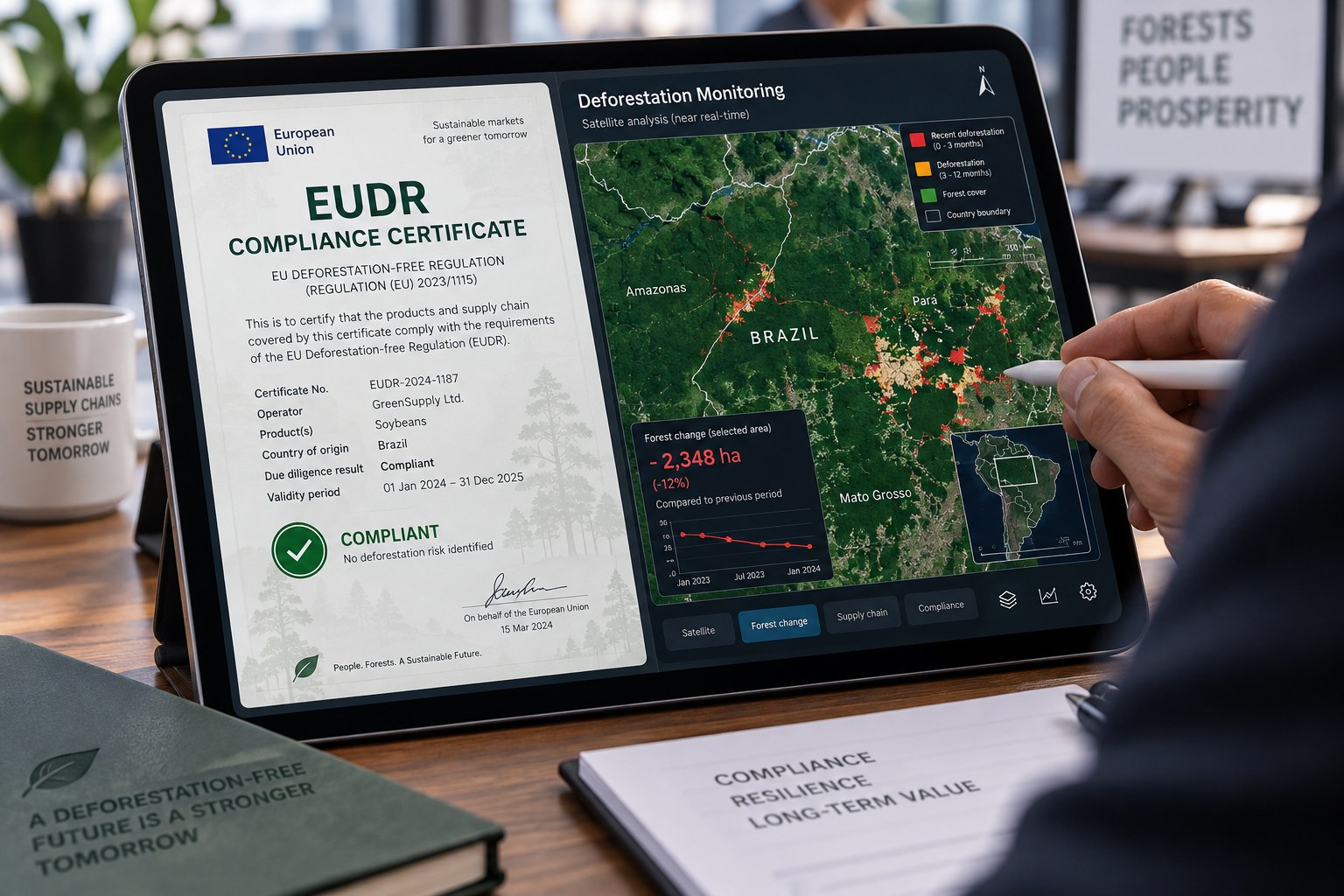
Under EUDR mandates, all wood pulp imported into or exported from the EU must satisfy three cumulative legal criteria: it must be deforestation-free, meaning it was produced on land that was not subject to deforestation after the strict cutoff date of December 31, 2020; it must be legally produced in full accordance with the relevant legislation of the country of production (encompassing land use rights, environmental protection, labor standards, and human rights); and it must be covered by a verified Due Diligence Statement (DDS) submitted through the EU TRACES-NT portal prior to commercial customs clearance. Crucially, the burden of compliance falls squarely upon EU operators and large traders. If non-compliant pulp or hygiene products enter EU territory, competent authorities possess statutory powers to confiscate goods, suspend customs clearance, and impose administrative fines of up to 4% of the operator’s total annual EU-wide turnover.
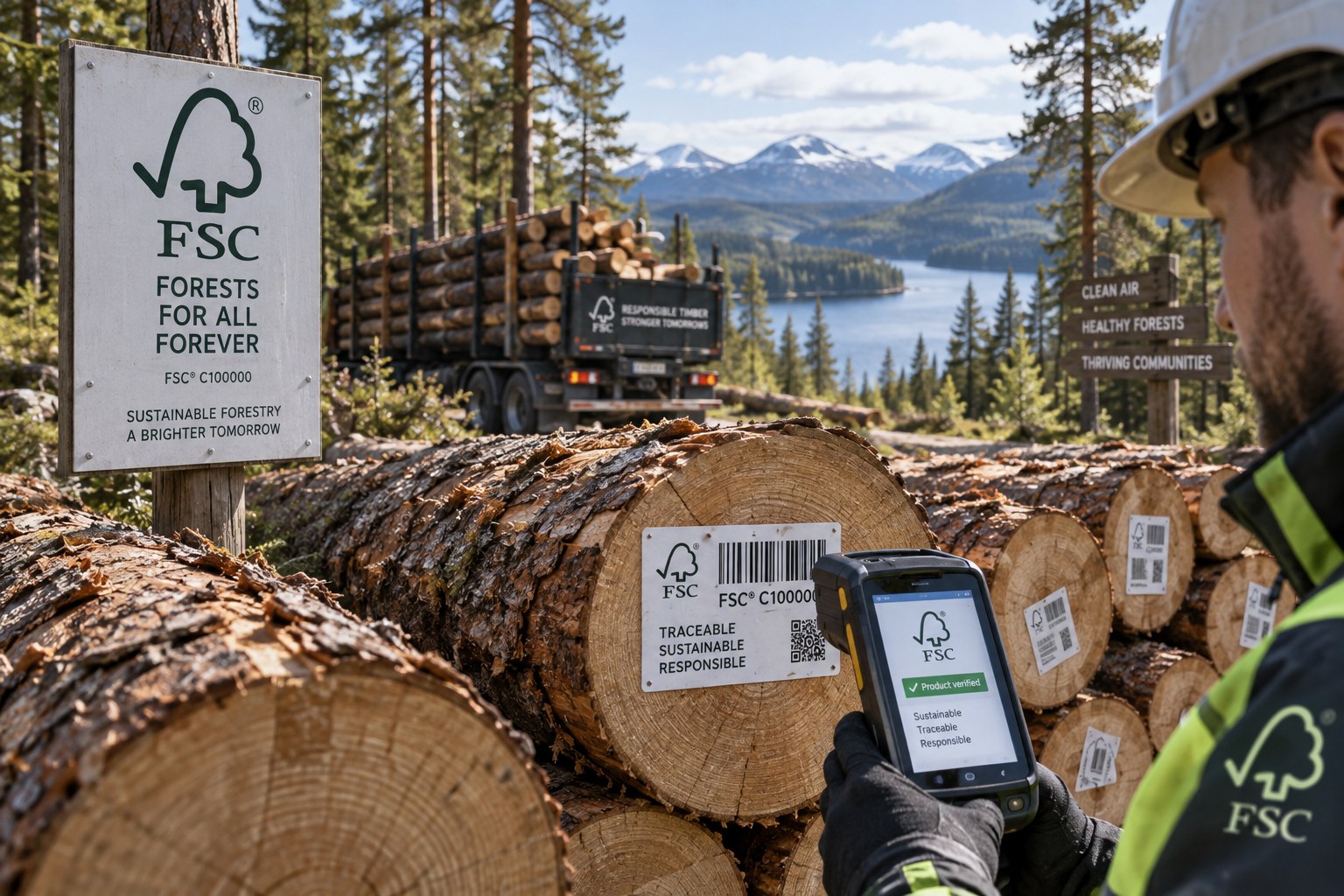
For European private-label brand owners, supermarket retail procurement directors, and medical supply distributors, sourcing diapers from overseas contract manufacturers now introduces severe supply chain liability if the manufacturing partner cannot substantiate complete forestry provenance. Ambiguous certificates of origin or generalized country-level declarations are no longer legally admissible under EU customs audits. Importers require incontrovertible, digitally verifiable proofs linking individual finished product cartons back to certified forest harvest plots. Quanzhou Shenghongda Hygiene Products Co., Ltd. has proactively established a certified FSC (Forest Stewardship Council) Chain of Custody (CoC) under FSC-STD-40-004 V3-1, integrating automated geolocation data tracking directly into its Quanzhou converting facility to provide European partners with complete regulatory immunity.
Through our dedicated European Sourcing Desk, Shenghongda delivers fully pre-cleared product lines across OEM Adult Diapers with Tapes, Baby Diapers OEM Manufacturing, and Disposable Hospital Bed Underpads, ensuring that every maritime container discharged at major European seaports—including Valencia, Rotterdam, Hamburg, Antwerp, and Felixstowe—clears customs without administrative inspection holds or document queries.
2. Fluff Pulp Fiber Morphology, Geolocation Mapping & FSC Chain of Custody
Virgin wood fluff pulp represents between 35% and 60% of the total dry weight of conventional absorbent hygiene articles. Inside the core, fluff pulp provides the high-volume capillary channels necessary to absorb rapid, high-velocity liquid insults and wick moisture longitudinally away from the initial insult zone before synthetic superabsorbent polymers (SAP) reach maximum fluid absorption equilibrium. To achieve superior hydraulic performance while adhering strictly to EUDR environmental benchmarks, Shenghongda partners exclusively with premier American producer Weyerhaeuser Company (USA) (Golden Isles Southern Bleached Softwood Kraft, SBSK) and Nordic mills operating under strict sustainable silviculture management.
Coniferous softwood species—predominantly Loblolly Pine (Pinus taeda) and Slash Pine (Pinus elliottii) harvested in the Southeastern United States, alongside Scandinavian Norway Spruce (Picea abies)—yield specialized tracheid fibers characterized by an average physical length of 2.6 to 2.8 millimeters and a coarseness of 0.22 to 0.28 mg/m. These long fibers provide remarkable structural bulk and high lumen collapse resistance. When processed through Shenghongda's high-speed inline hammermills, the virgin pulp defibrillates cleanly at an ultra-low specific energy consumption below 280 kWh/ton, generating an open-cell porous pad with an air-laid bulk density of 0.12 to 0.14 g/cm³. This open-pore fiber architecture ensures that fluid strike-through times remain consistently under 1.8 seconds while avoiding the dense compaction and fiber knotting typical of low-grade recycled or unbleached hardwood alternatives.
To satisfy the uncompromising geolocation demands of EUDR Article 9, Shenghongda has deployed an integrated Enterprise Resource Planning (ERP) tracking system that captures the exact geographic coordinates of every harvested forest concession. For all production plots exceeding 4 hectares, EUDR requires precise WGS84 polygon boundary coordinates representing the perimeter of the timber harvest area. Shenghongda maintains direct digital integration with our pulp suppliers' Geographic Information Systems (GIS), enabling automated cross-referencing against Copernicus and Sentinel satellite temporal imagery. This provides undeniable empirical proof that zero tree canopy loss or forest degradation occurred on the candidate plots after the December 31, 2020 legal threshold.
At our 8,000 square meter Quanzhou manufacturing center, incoming virgin pulp parent rolls are logged via high-density GS1-128 barcoding upon container discharge. Every production work order captures the specific pulp roll serial numbers fed into our 16 full-servo converting lines. As finished adult briefs, baby diapers, and surgical underpads are compressed, folded, and sealed into master shipping cartons, the system automatically generates an aggregated bill-of-materials traceability dossier. European procurement directors receive a validated TRACES-NT Due Diligence Reference Number minimum 14 days prior to vessel arrival at European ports, enabling instant green-channel customs clearance.
| Compliance & Quality Metric | Technical Specification / Threshold | Verification Methodology | EUDR Regulatory Reference | Commercial Benefit |
|---|---|---|---|---|
| Forestry Geolocation Accuracy | WGS84 Polygon Coordinates (Plots > 4 ha) | Satellite GIS temporal cross-referencing | EUDR Article 9(1)(d) | Eliminates EU customs inspection holds |
| Deforestation Cutoff Date | Zero land conversion post-Dec 31, 2020 | Sentinel-2 Multi-Spectral Imaging | EUDR Article 2(13) | Guarantees complete legal compliance |
| FSC Chain of Custody Certification | FSC-STD-40-004 V3-1 Certified (FSC Mix) | Third-party accredited registrar annual audit | EUDR Article 10(2)(j) | Recognized global sustainable forestry badge |
| Pulp Fiber Morphology | 100% Virgin SBSK Coniferous Softwood | ISO 16065-1 Optical Fiber Analysis | Internal Technical TDS | Rapid wicking, fiber length 2.6-2.8 mm |
| Chemical Bleaching Process | Totally Chlorine-Free (TCF) / ECF | ISO 11480 / EPA Method 1613B (Zero Dioxin) | EN 14079 Clinical Standard | Zero toxic organochlorine residues |
| TRACES-NT DDS Submission | Pre-validated Reference Statement ID | Direct EU TRACES portal digital submission | EUDR Article 4(2) | Available 14 days before vessel discharge |
3. Production Line Traceability, Raw Material Segregation & Converting Automation
Translating strict environmental due diligence into verifiable physical manufacturing requires uncompromising physical and digital segregation inside the converting facility. At Shenghongda, compliance with FSC (Forest Stewardship Council) Chain of Custody standards is embedded directly into our physical plant layout and automated converting line operations. In a high-volume manufacturing complex processing over 1.2 billion units annually across 16 full-servo converting lines, the inadvertent mixing of certified virgin pulp with non-certified commodity materials would immediately invalidate third-party audit credentials and expose overseas clients to severe regulatory sanctions.
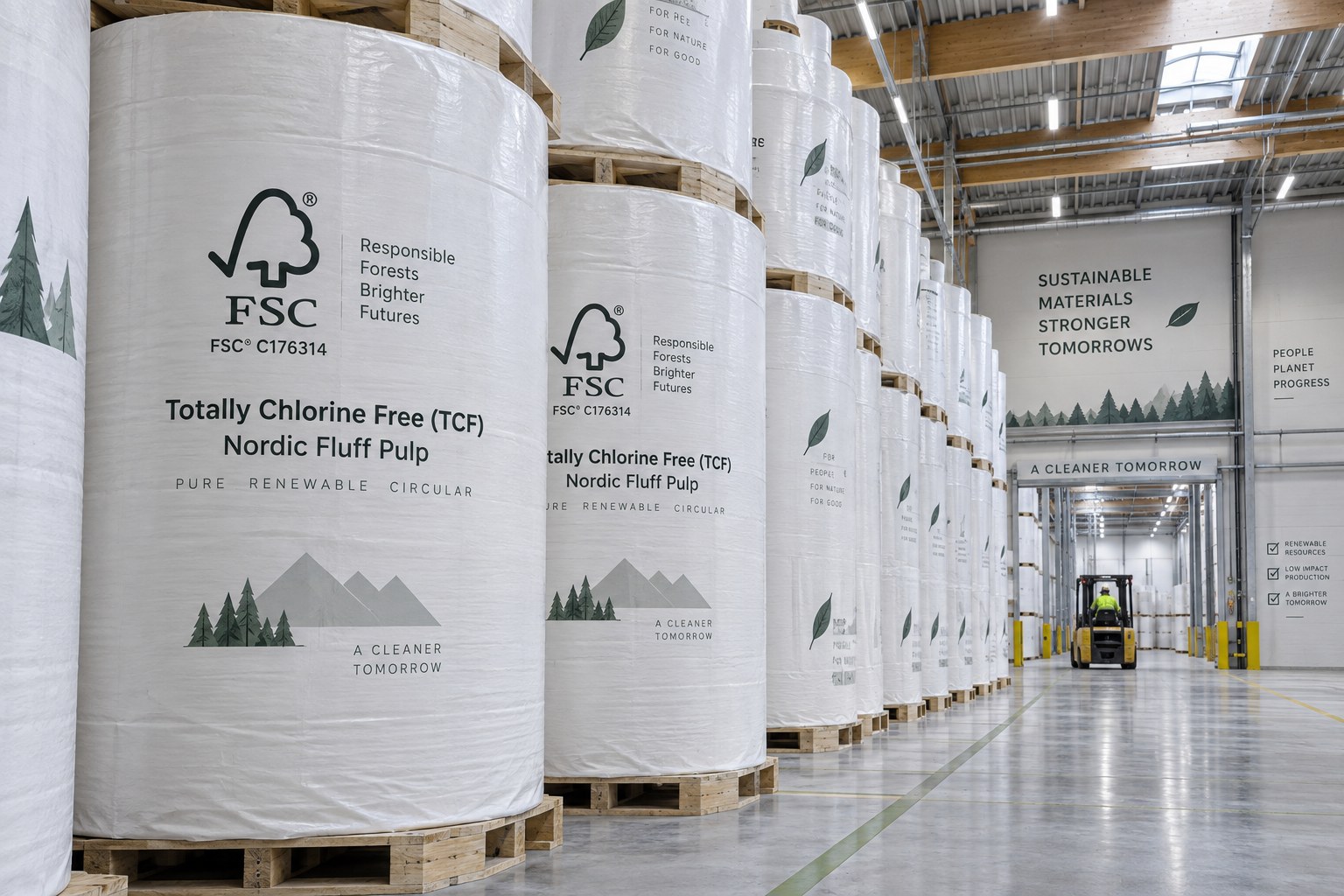
To eliminate cross-contamination risks, Shenghongda operates a dedicated "EUDR Certified Green Zone" within its raw material warehouse. All incoming containers of Weyerhaeuser Company (USA) Golden Isles FSC-certified SBSK fluff pulp rolls are scanned upon receipt using handheld industrial optical scanners. The inventory management software automatically cross-references the bill of lading, container number, and supplier Certificate of Analysis (CoA) against pre-registered FSC chain-of-custody transaction codes. Each roll is tagged with an automated RF-ID tracking label that registers its physical location in climate-controlled vertical staging racks maintained at 20°C to 24°C and 45% to 60% relative humidity, preventing ambient moisture absorption from altering fiber defibrillation dynamics.
On the converting floor, our Japanese Zuiko and European Fameccanica full-servo production lines feature automated dual-position unwind stands equipped with servo-driven zero-speed butt splicers. When an active 1,500-meter pulp reel nears completion, the PLC initiates an automated splice sequence, joining the trailing edge of the expiring roll to the leading edge of the staged FSC-certified roll at line speeds exceeding 400 meters per minute. Optical barcode sensors mounted directly on the unwinding gantry continuously read the roll core barcodes, transmitting real-time consumption telemetry to the plant-wide Manufacturing Execution System (MES). If an unverified or mismatched material roll is inadvertently loaded onto the unwinding arbor, the automated interlock system immediately halts the splicing sequence, preventing uncertified pulp from entering the hammermill.
Downstream of the hammermill, the defibrillated softwood fibers are combined with Japanese Sumitomo Seika Chemicals (Japan) superabsorbent polymers via high-precision gravimetric air-laid forming drums. High-resolution Cognex CCD machine vision cameras inspect 100% of finished diaper chassis in real time, verifying core placement, layer bonding integrity, and zero foreign particulate contamination. As completed diapers pass through the automated folding, counting, and polybag compression packing units, an integrated high-speed thermal inkjet printer stamps a unique, cryptographically serialized Datamatrix 2D barcode onto each individual retail package and corrugated master shipping carton. This serialized code links the exact minute and production line of manufacture directly to the specific raw material lot and associated EUDR satellite polygon coordinates.
4. Analytical Laboratory Verification, Chemical Purity & CNAS Testing Regimes
Documentary traceability represents only one pillar of comprehensive international due diligence; physical and chemical testing in an accredited laboratory environment is equally vital to satisfy European medical and consumer safety standards. Operating in strict conformance with CNAS National Accreditation and ISO/IEC 17025 Accredited laboratory management benchmarks, Shenghongda’s in-house Testing and Analytical Center conducts continuous batch-by-batch physical, chemical, and biological verification of all EUDR-compliant absorbent hygiene production.
A primary chemical concern for pulp-based absorbent hygiene products in the European Union is the presence of halogenated organic compounds and dioxin residues resulting from bleaching operations. While conventional legacy pulp mills historically utilized elemental chlorine bleaching—which generated persistent, bioaccumulative polychlorinated dibenzo-p-dioxins and dibenzofurans—Shenghongda mandates that 100% of imported virgin fluff pulp must be processed via Totally Chlorine-Free (TCF) or Advanced Elemental Chlorine-Free (ECF) technologies utilizing oxygen, ozone, and hydrogen peroxide delignification. In our chemical laboratory, pulp samples undergo solvent extraction and high-resolution Gas Chromatography-Mass Spectrometry (GC-MS) screening in accordance with EPA Method 1613B and ISO 11480, confirming that extractable organic halogens (AOX) remain strictly undetectable below 0.01 mg/kg and 2,3,7,8-TCDD dioxin toxicity equivalents remain below 0.1 parts per trillion (ppt).
Simultaneously, mechanical defibrillation and fluid absorption kinetics are evaluated in strict compliance with EDANA Standards NWSP harmonized standards. Using automated laboratory hammermills, our technicians determine specific shredding energy and measure fiber length distribution using automated optical fiber analyzers (ISO 16065-1). The resulting air-laid fluff pad must demonstrate a dry specific volume exceeding 10.5 cm³/g, ensuring an open, high-void capillary network. Fluid retention is verified using the ISO 11948-1 (Rothwell Method) Rothwell protocol in a 0.9% physiological saline bath, confirming that adult diaper cores achieve between 1,800 ml and 3,500 ml total retention depending on target SKU specifications.
Surface rewet under mechanical load is quantified using automated Lister and Wet-Back testing apparatus under EDANA NWSP 070.1.R2 protocols. Following repeated 100 ml saline insults, a standardized 0.5 psi mechanical dead-weight is applied over pre-weighed filter papers; Shenghongda's EUDR-certified dual-core structures consistently limit fluid rewet to less than 0.05 grams. Microbiological testing conducted in our Class 10,000 analytical cleanroom confirms total aerobic microbial counts strictly below 20 CFU/g in accordance with GB 15979 and European Pharmacopoeia 10.0 requirements, with zero detection of pathogenic Staphylococcus aureus, Pseudomonas aeruginosa, or Candida albicans.
| Evaluation Parameter | Standard Commodity Market Supply | Shenghongda EUDR Certified Supply | Clinical & Commercial Advantage |
|---|---|---|---|
| Forestry Provenance | Unverified or vague country-of-origin claim | Exact WGS84 polygon GPS plot coordinates | 100% green-channel clearance at EU ports |
| EUDR Regulatory Exposure | High risk of 4% annual turnover administrative fine | Fully indemnified with verified TRACES-NT DDS | Zero legal penalty exposure for EU buyers |
| Fluff Pulp Fiber Quality | Inconsistent mixed recycled or hardwood fibers | 100% Virgin Weyerhaeuser SBSK Softwood | Superior capillary wicking, zero core collapse |
| Surface Rewet (0.5 psi load) | 0.35 - 0.85 grams (skin maceration risk) | < 0.05 grams (verified ultra-dry skin contact) | Dramatically reduces hospital IAD nursing costs |
| Container Payload (40HQ) | 70,000 - 75,000 pcs (low compression) | 92,000 - 96,000 pcs (high-density vacuum pack) | 28% higher piece count; $0.024/pc freight savings |
| Customs Clearance Speed | Frequent documentary holds & physical sampling | Pre-registered DDS green-channel processing | Average port clearance time under 24 hours |
5. Commercial Economics, Ocean Freight Logistics & Maritime Shipping Strategy
For European hygiene brand owners and supermarket private-label distributors, achieving rigorous EUDR compliance must not come at the expense of commercial margin viability. In an era of volatile maritime freight rates, fluctuating energy costs, and intense retail price competition, maintaining competitive retail price points requires relentless optimization throughout every stage of the cross-border supply chain. Shenghongda bridges the gap between regulatory perfection and commercial profitability through advanced manufacturing economies of scale, long-term raw material hedging, and proprietary logistics engineering.
Because absorbent hygiene products are inherently high-bulk goods, container shipping economics play a defining role in total landed cost. When importing from China to major European gateway ports—such as Valencia, Barcelona, Rotterdam, Hamburg, and Genoa—ocean shipping freight often constitutes between 12% and 22% of total landed goods valuation. Conventional manufacturers utilizing standard packaging methods pack adult diapers loosely, resulting in shipping containers that "cube out" at only 70,000 to 75,000 pieces per 40-foot High Cube (40HQ) box. Shenghongda has engineered automated multi-stage hydraulic pre-compression packaging systems that evacuate air from the open-pore fluff matrix under gradual, calibrated pressure cycles. This allows an identical 40HQ container to carry between 92,000 and 96,000 adult taped diapers—a payload density increase of over 28% without causing SAP granule fracture or elastic strand creep.
On high-volume European shipping lanes from our primary export terminals at Xiamen Port (UN/LOCODE: CNXMN) and Quanzhou Port (UN/LOCODE: CNQZ), this volumetric packaging optimization reduces effective ocean shipping cost per unit by €0.018 to €0.025 EUR. On an annualized retail supply contract of 20 million units, this logistics innovation alone delivers net cost savings exceeding €400,000 EUR, directly protecting our European partners' gross margins against international inflation.
To further streamline regional terminal operations across major continental discharge hubs, Shenghongda offers European clients two distinct stowage configurations: floor-loaded loose master carton stowage (maximizing gross cube utilization up to 68 m³ per 40HQ) or standardized Euro-pallet (1200x800 mm) / ISO-pallet (1200x1000 mm) configurations equipped with heavy-gauge recyclable kraft slip-sheets. When container demurrage and quay storage tariffs can quickly accumulate during peak holiday logistics seasons, pre-palletized loads reduce warehouse destuffing turnaround from 4.5 hours down to 45 minutes, dramatically cutting inland cross-dock labor overhead.
In addition, Shenghongda's digital export documentation desk coordinates directly with European freight forwarders to transmit verified advance electronic manifest data (ENS) and Electronic Transit Documentation (T1 / Single Administrative Document) well prior to vessel arrival. By aligning automated packing lists, commercial invoices, bill of lading line items, and TRACES-NT DDS reference statements into a unified digital customs filing packet, our European clients avoid common port administrative holds, demurrage accruals, and customs inspection fees, guaranteeing rapid inland green-channel transfer to regional distribution fulfillment networks.
Furthermore, Shenghongda provides European clients with comprehensive trade liquidity support backed by China Export & Credit Insurance Corporation (Sinosure). For established European retail chains, medical tender contractors, and healthcare distributors with audited financial standing, Shenghongda extends flexible credit terms, including Open Account (OA) 30, 60, and 90-day settlement structures. Under Sinosure underwriting, European buyers defer capital outlay until containers have safely cleared European customs and reached regional distribution centers, optimizing cash flow and working capital efficiency.
6. Cleanroom Environmental Control, Bioburden Governance & ISO 13485 Standards
The manufacture of disposable hygiene products intended for medical, eldercare, and infant applications requires an uncompromising commitment to environmental sanitation and microbiological cleanliness. Even when virgin fluff pulp meets the highest forestry sustainability standards, if the converting environment is subject to airborne contamination, environmental dust, or microbial proliferation, the finished articles can trigger severe dermatological reactions or healthcare-acquired infections (HAIs). Shenghongda operates its entire manufacturing facility in Quanzhou strictly under ISO 13485:2016 Medical Devices Quality Management System standards.
All 16 full-servo converting lines are housed within an enclosed Class 100,000 cleanroom workshop (equivalent to ISO Class 8 under ISO 14644-1). The cleanroom architecture utilizes continuous positive air pressure differentials (+15 to +25 Pascals) between the converting floor, raw material airlocks, and external staging zones, ensuring that unconditioned outside air, atmospheric dust, and airborne insects are physically prevented from entering the production zone. Incoming fresh air is conditioned through a centralized HVAC installation featuring three-stage filtration—coarse pre-filters, medium bag filters, and terminal HEPA filters—delivering an air exchange rate of more than 20 cycles per hour while maintaining ambient temperature at 20°C to 24°C and relative humidity between 45% and 60%.
Personnel entering the cleanroom floor must follow rigorous, automated sanitation protocols. Workers pass through multi-stage transition airlocks, don lint-free anti-static jumpsuits, hairnets, masks, and sterile nitrile gloves, and undergo a 30-second automated high-velocity air shower cycle to remove loose surface fibers. Daily microbiological monitoring is executed across all production zones using settle-plate air sedimentation assays, surface contact rodac plates, and liquid bioburden extraction in accordance with GB 15979 and ISO 11737. Across all finished production lots, total viable aerobic microbial bioburden is guaranteed below 20 CFU/g—a safety threshold tenfold cleaner than international regulatory limits—with zero tolerance for pathogenic bacteria.
7. European Buyer Action Plan: Step-by-Step EUDR Due Diligence Implementation
To assist European hygiene importers, retail buyers, and medical consortiums in seamlessly transitioning their supply chains to full EUDR compliance while optimizing commercial margins, Shenghongda recommends the following 5-step operational procurement roadmap:
- Step 1: Raw Material Provenance & Forestry Audit
Review the manufacturer's verified FSC (Forest Stewardship Council) Chain of Custody accreditation and request formalized evidence of tier-1 fluff pulp supply agreements. Ensure the pulp supplier possesses verifiable WGS84 polygon geolocation coordinates for all harvest concessions harvested post-December 31, 2020.
- Step 2: Technical Product Specification & Core Design
Establish exact SKU technical parameters based on destination market requirements. Specify core basis weight, Sumitomo Seika Chemicals (Japan) SAP concentration, required ISO 11948-1 (Rothwell Method) Rothwell retention volume (1,800 to 3,500 ml), and target surface rewet limits (<0.05g). Select breathable textile backsheets with MVTR exceeding 3,500 g/m²/24h.
- Step 3: Laboratory Sample Evaluation & Chemical Screening
Order physical pre-production sample kits and commission third-party laboratory verification (SGS, TÜV, or Eurofins) to confirm zero chlorine bleaching residues (TCF/ECF verification), compliance with OEKO-TEX Standard 100 Class I limits, and biocompatibility in accordance with ISO 10993 standards.
- Step 4: TRACES-NT Due Diligence Statement Integration
Coordinate between your customs broker and Shenghongda's European trade desk to ensure automated generation of Due Diligence Statements (DDS). Verify that unique TRACES-NT reference numbers are linked to the commercial bill of lading and manifest 14 days prior to port discharge.
- Step 5: High-Density Container Loading & Sinosure Credit Setup
Finalize 40HQ container load plans utilizing Shenghongda's high-density vacuum packaging protocols to achieve maximum piece counts (92,000+ adult diapers or 400,000+ baby diapers per box). Apply for Sinosure OA credit lines to defer settlement and optimize European distribution working capital.