
1. The Medical Device Quality Paradigm: Successful ISO 13485:2016 Recertification
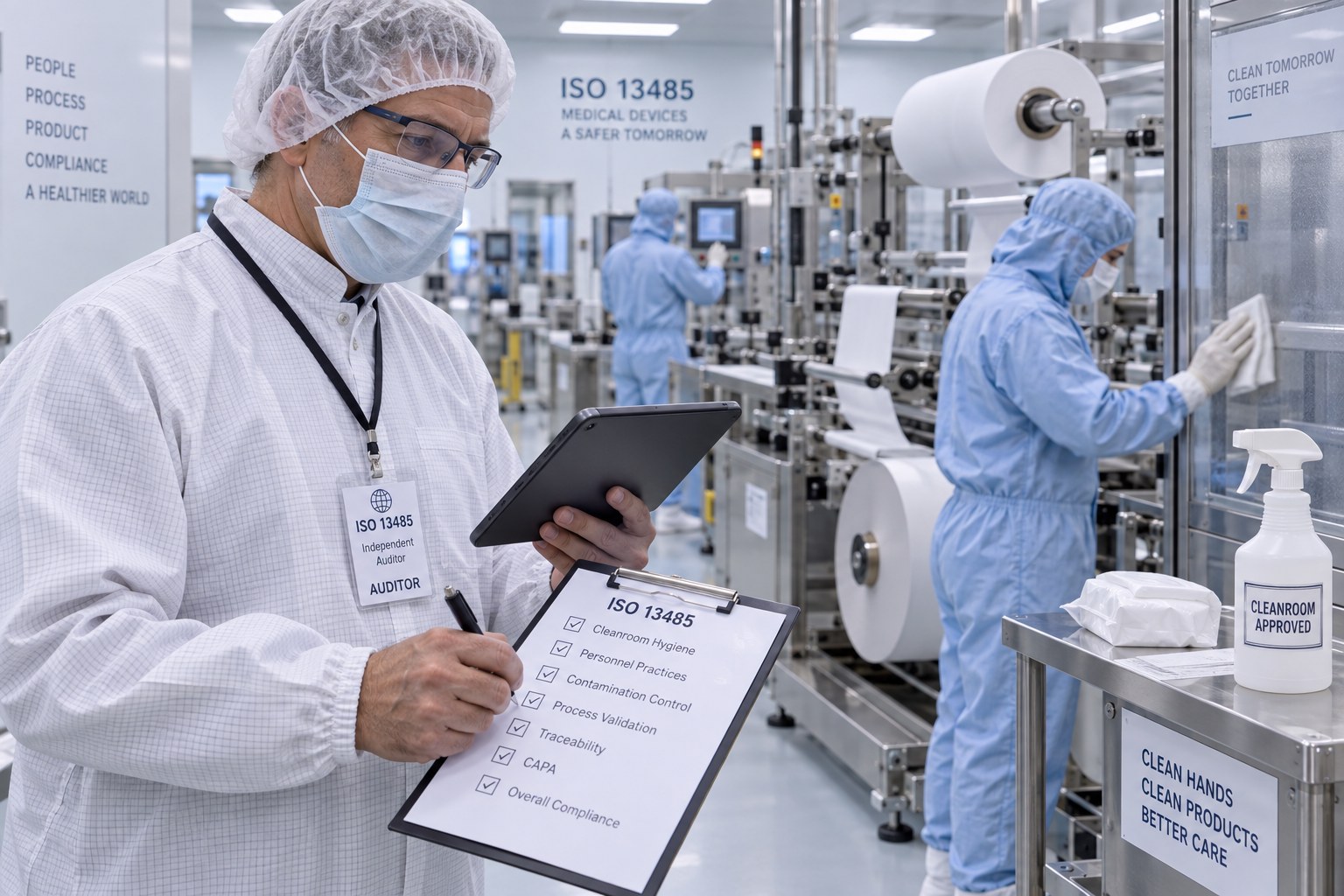
In June 2026, Quanzhou Shenghongda Hygiene Products Co., Ltd. announced the successful completion and renewal of its comprehensive ISO 13485:2016 Medical Devices Quality Management System (QMS) recertification audit, conducted by accredited international registrar TÜV Rheinland. Covering the complete design, development, high-speed automated manufacturing, and global export distribution of medical-grade adult incontinence briefs, clinical pull-up briefs, hospital bed underpads, and post-operative hygiene supplies, this rigorous five-day on-site audit concluded with zero major non-conformities, reaffirming Shenghongda’s status as an elite medical-grade hygiene manufacturer.
In the global personal care and healthcare procurement landscape, the distinction between standard commercial consumer goods and regulated medical devices is profound. Adult incontinence briefs and hospital underpads are not merely consumer paper products; they are Class I medical devices that maintain intimate, continuous contact with fragile geriatric skin, post-operative wounds, and immunocompromised patients in acute-care hospital wards and residential nursing facilities. Under institutional nursing conditions, a failure in product quality—such as contaminated raw materials, excessive surface rewet, or sharp adhesive flashings—can directly cause severe Incontinence-Associated Dermatitis (IAD), secondary bacterial skin infections, and debilitating Stage III/IV pressure ulcers. Consequently, national public healthcare systems, hospital procurement syndicates, and institutional tender boards worldwide legally mandate that suppliers operate under certified ISO 13485 governance.
The global regulatory transition from the legacy Medical Devices Directive (MDD 93/42/EEC) to the European Medical Device Regulation (EU MDR 2017/745) profoundly elevated quality requirements for Class I medical devices. Under the MDR, manufacturers must establish active, continuous Post-Market Surveillance (PMS) and Periodic Safety Update Reports (PSUR). Shenghongda’s ISO 13485 QMS integrates direct clinical feedback loops connecting European institutional nursing departments with our Quanzhou engineering teams, ensuring that any reported skin reddening or mechanical fastener issues are investigated through rigorous root-cause methodology.
Furthermore, the standard enforces comprehensive process validation across all automated manufacturing operations. In accordance with GHTF/SG3/N99-10 guidelines, every converting line, ultrasonic welder, and packaging sealer at Shenghongda undergoes formalized Installation Qualification (IQ), Operational Qualification (OQ), and Performance Qualification (PQ). Statistical challenge testing proves that converting machinery maintains critical quality attributes—such as seal hermeticity, core grammage, and tape peel strength—across worst-case ambient temperature and electrical supply conditions.
Operating across 16 full-servo converting lines inside an 8,000 square meter ISO Class 8 cleanroom complex in Quanzhou, China, Shenghongda manufactures over 1.2 billion finished units annually across OEM Adult Diapers with Tapes, Adult Incontinence Pull-Up Pants, Disposable Hospital Bed Underpads, and Feminine Sanitary Napkins Factory. Sourcing raw materials exclusively from tier-1 global partners including Japanese Sumitomo Seika Chemicals (Japan), American Weyerhaeuser Company (USA), and German Henkel Adhesives (Germany), Shenghongda embeds pharmaceutical-grade quality controls into every production cycle.
In addition to quality assurance, Shenghongda’s regulatory affairs department maintains active registration under the European Union’s EUDAMED database and the US FDA Unified Registration and Listing System (FURLS). Our designated European Authorized Representative (EC REP) based in Frankfurt, Germany, acts as the direct legal liaison with European national competent authorities (such as BfArM in Germany and ANSM in France). This formal regulatory infrastructure ensures that our private label brand partners can commercialize Class I medical briefs across all 27 EU member states with complete legal protection.
This recertification reinforces our international regulatory architecture, supporting our active registrations under European European CE MDR (EU 2017/745) (EU 2017/745) and US U.S. FDA 21 CFR 880.5270 across 88 export destination nations.
2. ISO 13485 Audit Scope & Methodology: 5 Days of Intensive On-Site Scrutiny
The ISO 13485:2016 recertification audit executed by TÜV Rheinland was exhaustive, evaluating every operational layer across Shenghongda’s Quanzhou campus. Unlike generic ISO 9001 audits that focus broadly on business customer satisfaction, ISO 13485 mandates deep, verifiable proof of clinical product safety, process validation, risk management, contamination control, and end-to-end batch traceability.
The five-day audit protocol encompassed five core operational domains:
- Management Responsibility & Quality Objectives: Reviewing executive commitment, internal audit frequency, resource allocation, and quality policy adherence across all corporate departments.
- Design Controls & Product Risk Management (ISO 14971): Auditing technical design history files (DHF), risk management matrices (Failure Mode and Effects Analysis - FMEA), and clinical performance evaluations for adult briefs and hospital underpads.
- Contamination Control & Cleanroom Environment (ISO 14644): Verifying positive pressure differentials (+20 Pa), HEPA filter integrity test logs, microbial air settle-plate assays, and gowning compliance across the 8,000 square meter cleanroom complex.
- Process Validation & Software Verification: Inspecting installation qualification (IQ), operational qualification (OQ), and performance qualification (PQ) documentation for all 16 full-servo converting lines and automated Cognex CCD machine vision systems.
- Traceability, CAPA & Post-Market Surveillance (PMS): Auditing bidirectional lot traceability from raw material resin numbers to finished master cartons, root-cause analyses on corrective action requests, and clinical complaint management workflows.
| ISO 13485:2016 Clause / Requirement | Audit Scope & Evaluation Area | Shenghongda Verified Operational Protocol | Registrar Audit Finding |
|---|---|---|---|
| Clause 4.1: Quality Management System | General QMS documentation & records control | ERP-integrated digital document management; version control | Conforming (Zero Findings) |
| Clause 6.4: Work Environment & Contamination | Cleanroom air quality & bioburden control | ISO Class 8 cleanroom (+20 Pa); bioburden strictly <20 CFU/g | Conforming (Zero Findings) |
| Clause 7.1: Planning of Product Realization | ISO 14971 Medical Device Risk Management | Complete FMEA risk matrices for adult briefs and hospital pads | Conforming (Zero Findings) |
| Clause 7.5.2: Validation of Processes | High-speed converting & automated sealing | Full IQ/OQ/PQ validation on all 16 full-servo Zuiko converting lines | Conforming (Zero Findings) |
| Clause 7.5.8: Product Identification & Traceability | Lot traceability from resin to export container | Automated GS1-128 barcode serialization & ERP lot tracking | Conforming (Zero Findings) |
| Clause 8.5.2: Corrective Action (CAPA) | Root cause investigation & recurrence prevention | Closed-loop 8D CAPA methodology with statistical verification | Conforming (Zero Findings) |
3. Medical Device Risk Management Under ISO 14971: The FMEA Defect Matrix
A central pillar of Shenghongda’s ISO 13485 certification is our comprehensive application of ISO 14971 (Application of risk management to medical devices). In the high-speed conversion of absorbent personal hygiene products, potential hazards must be systematically identified, quantified, and mitigated before commercial manufacturing begins. Shenghongda’s engineering and quality teams maintain detailed Design and Process Failure Mode and Effects Analysis (DFMEA and PFMEA) matrices covering every material layer and mechanical operation.
Under our ISO 14971 governance, critical failure modes are assessed using Risk Priority Numbers (RPN), multiplying Severity, Occurrence, and Detection scores. High-risk failure modes and their mandatory engineering controls include:
- Surface Rewet & Fluid Bypass: Risk of absorbed urine escaping under patient bodyweight pressure, leading to skin maceration. Mitigated by enforcing a dual-matrix core combining high-AUL Japanese Sumitomo Seika Chemicals (Japan) SAP (≥24 g/g at 0.7 psi) and virgin softwood pulp, ensuring surface rewet remains strictly below 0.05 grams under EDANA Standards NWSP 070.1.R2 testing.
- Adhesive Bleed-Through & Skin Irritation: Risk of hot-melt adhesive migrating through nonwoven pores, causing mechanical skin tearing. Mitigated by utilizing low-application-temperature Henkel Technomelt adhesives applied via calibrated contactless slot-die sprayers under infrared thermal monitoring.
- Elastic Strand Delamination: Risk of Lycra leg barrier elastic snapping, causing catastrophic lateral leakage. Mitigated by continuous tension transducers and inline optical vision cameras that inspect all four elastic strands on every single passing unit.
- Foreign Particulate Contamination: Risk of airborne dust, metal burrs, or insect fragments entering the core. Mitigated by positive-pressure HEPA filtration, inline dual-frequency CEIA metal detectors, and Cognex high-speed optical vision algorithms.
Under ISO 14971, risk evaluation extends beyond physical converting into raw material toxicology and chemical biocompatibility. Disposable medical briefs maintain continuous contact with patient perineal skin, which may be compromised by friction, moisture, and elevated pH. Shenghongda contracts accredited GLP testing laboratories to conduct standardized in vitro cytotoxicity assays (ISO 10993-5) using L929 mouse fibroblast cell cultures. Material extracts from our topsheets, adhesives, and backsheet films must demonstrate cell viability exceeding 85%, confirming absolute non-cytotoxicity.
Similarly, delayed-type dermal sensitization assays (ISO 10993-10 Guinea Pig Maximization Test) and primary skin irritation tests (ISO 10993-23) verify zero erythema or edema reactions. Chemical characterization per ISO 10993-18 and toxicological risk assessment per ISO 10993-17 confirm that finished products release zero extractable phthalates, polycyclic aromatic hydrocarbons (PAHs), or toxic heavy metals, satisfying the most stringent hospital clinical ethics committees.
By engineering robust physical controls that eliminate failure modes at the source, Shenghongda ensures that residual medical risk is reduced to an absolute minimum.
4. Cleanroom Environmental Monitoring: Positive Pressure Differentials (+20 Pa) & Microbial Control
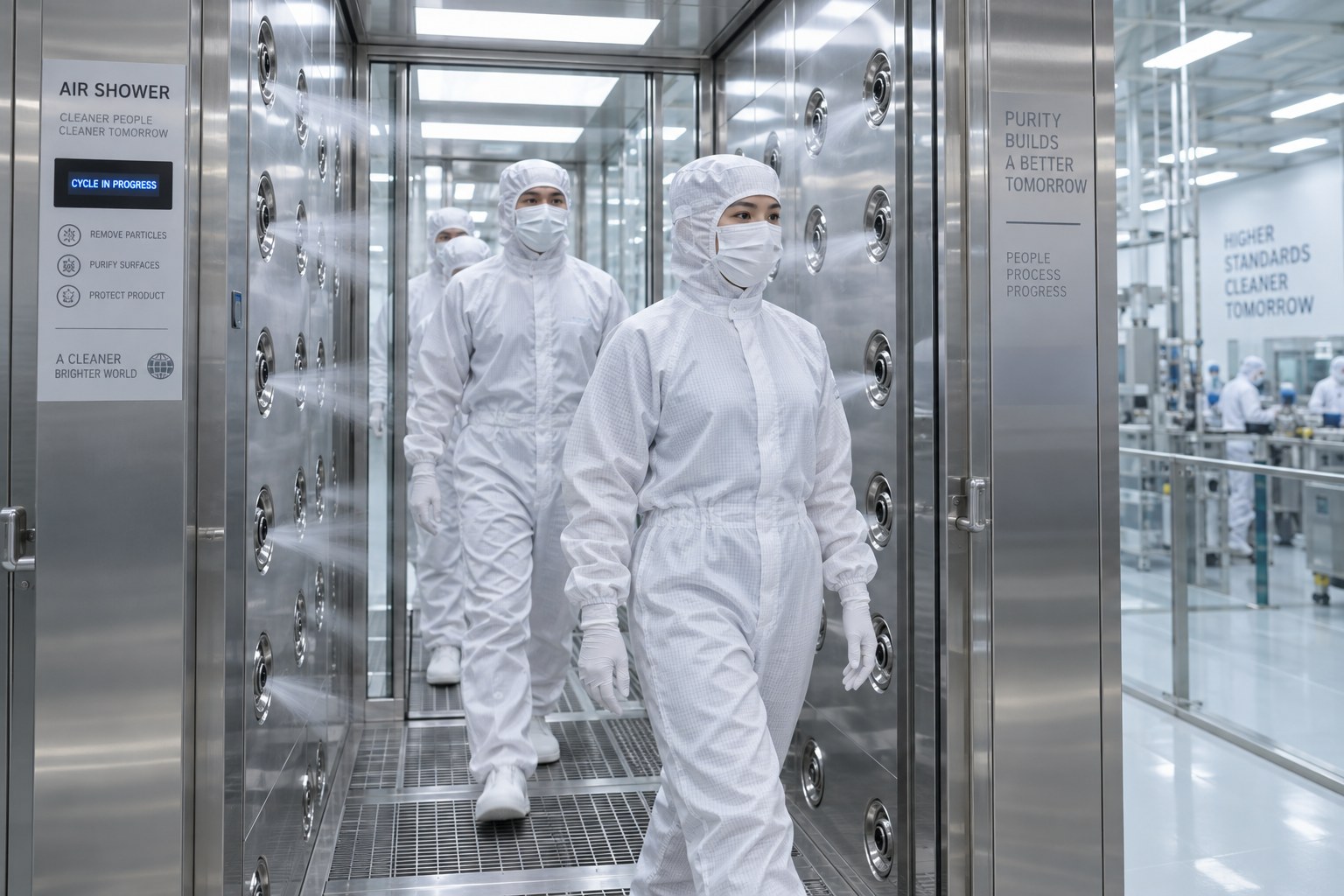
Unlike standard consumer paper workshops that operate in open, unconditioned industrial warehouses, Shenghongda’s 16 converting lines are housed entirely within an 8,000 square meter Class 100,000 (ISO Class 8) cleanroom environment. In clinical environments, hygiene articles must maintain absolute microbial cleanliness; if products are converted in dusty, humid environments, airborne fungal spores, mold, and environmental bacteria become embedded in the absorbent fluff core, proliferating upon contact with warm urine and triggering severe hospital-acquired infections.
Shenghongda’s cleanroom infrastructure enforces three synchronized environmental barriers:
- Cascaded Positive Air Pressure (+15 to +25 Pa): Twelve heavy-duty rooftop air-handling units (AHU) deliver conditioned air through multi-stage G4 pre-filters, F8 intermediate filters, and terminal H13 HEPA filters (99.97% efficiency at 0.3 microns). The converting halls are maintained at a continuous positive pressure differential of +20.0 ± 2.5 Pascals relative to raw material docks, creating an outward air velocity of >0.5 m/s that prevents dust and insect ingress when doors open.
- Psychrometric Climate Regulation: Ambient cleanroom air is maintained strictly at 22°C ± 2°C with relative humidity at 50% ± 5% RH. This precise humidity window prevents moisture absorption in superabsorbent polymers while eliminating electrostatic surface charges on nonwoven webs.
- Microbial Bioburden Surveillance: Daily microbiological settle-plate assays (agar sedimentation) and surface contact swabs are evaluated in our on-site accredited laboratory. Finished product testing conforms to GB 15979 and USP <61>/<62>, guaranteeing total aerobic microbial counts strictly below 20 CFU/g—ten times cleaner than international consumer limits—with zero tolerance for Staphylococcus aureus, Pseudomonas aeruginosa, or fungal pathogens.
| Manufacturing & Quality Dimension | Standard Commodity Diaper Factory | Shenghongda ISO 13485 Certified Medical Facility | Clinical & Institutional Advantage |
|---|---|---|---|
| Quality Management System | Basic ISO 9001 or uncertified | Full ISO 13485:2016 Medical Device QMS | Legally mandatory for EU/US hospital tender eligibility |
| Manufacturing Workshop Environment | Uncontrolled ambient factory air | 8,000 m² ISO Class 8 Positive Pressure Cleanroom | Guarantees zero environmental dust, lint, or pest contamination |
| Finished Product Bioburden Limit | Up to 200 CFU/g (Consumer standard) | < 20 CFU/g (Certified Medical Device Grade) | Eliminates risk of hospital-acquired skin infections (HAI) |
| Raw Material Traceability Depth | Batch-level paper invoices | ERP-integrated digital lot tracking to resin batch | Enables complete recall containment within 2 hours |
| Process Validation Standards | Visual machine setup by technicians | Formal IQ/OQ/PQ validation on all converting lines | Guarantees identical physical performance across millions of units |
| Customs & Regulatory Acceptance | Frequent CBP/EU inspection holds | Fast-track green-channel clearance globally | Eliminates port storage demurrage and regulatory seizure risks |
5. Bidirectional Lot Traceability & GS1-128 Barcoding Across Global Supply Chains
Under ISO 13485 Clause 7.5.8 and medical device Unique Device Identification (UDI) regulations, contract manufacturers must maintain unbroken bidirectional traceability across the entire lifecycle of every finished medical device. If an overseas healthcare authority reports a potential product deviation, the manufacturer must be capable of tracing the affected product from the hospital bedside back through the ocean container, warehouse pallet, converting line shift, and individual raw material lot number within two hours.
Shenghongda accomplishes this through our integrated Enterprise Resource Planning (ERP) and Manufacturing Execution System (MES) architecture. Every parent roll of nonwoven fabric, reel of virgin fluff pulp, and container of superabsorbent polymer is tagged with a unique GS1 barcode upon arrival at our Quanzhou raw material staging docks. Quality control technicians scan the barcode, verify the accompanying manufacturer Certificate of Analysis (COA), and log the material into digital inventory.
During converting, barcode scanners on our Zuiko lines record the exact timestamp when each raw material roll is mounted onto the unwind stand. Downstream, every finished diaper pack is laser-stamped with a serialized human-readable code and 2D DataMatrix barcode encoding the production line, machine operator ID, date, and minute of manufacture. Export master cartons receive automated GS1-128 shipping labels that associate pack serial numbers with the master shipping carton.
The ERP architecture enforces strict Electronic Batch Records (eBR) conforming to FDA 21 CFR Part 11 requirements for electronic records and signatures. Machine operators and quality inspectors must authenticate digital log entries using individual biometric or cryptographic credentials. Any parameter adjustment on converting machinery—such as modifying ultrasonic horn amplitude or adjusting knife cut timing—is automatically logged into an immutable audit trail, preventing unauthorized process drifts.
In addition, Shenghongda maintains dedicated secure archive facilities storing production retention samples and physical batch records for ten years beyond the product expiry date. If a healthcare authority requests historical quality verification for a specific container dispatched years prior, our regulatory department can retrieve complete material test sheets, environmental cleanroom sensor graphs, and operator logs within hours.
This granular traceability guarantees our international distribution partners complete supply chain transparency and rapid, surgical containment in the unlikely event of a quality inquiry.
6. Institutional Healthcare Tender Eligibility: Outscoring Competitors on Quality Audits
For international healthcare distributors and medical supply importers, winning multi-year municipal hospital and national social security tenders is the pinnacle of commercial success. Tenders administered by organizations such as the UK National Health Service (NHS), German statutory health insurance funds (GKV), French public hospital syndicates (AP-HP), and Latin American social security institutions (IMSS in Mexico, CENABAST in Chile) represent tens of millions of dollars in recurring annual contract value.
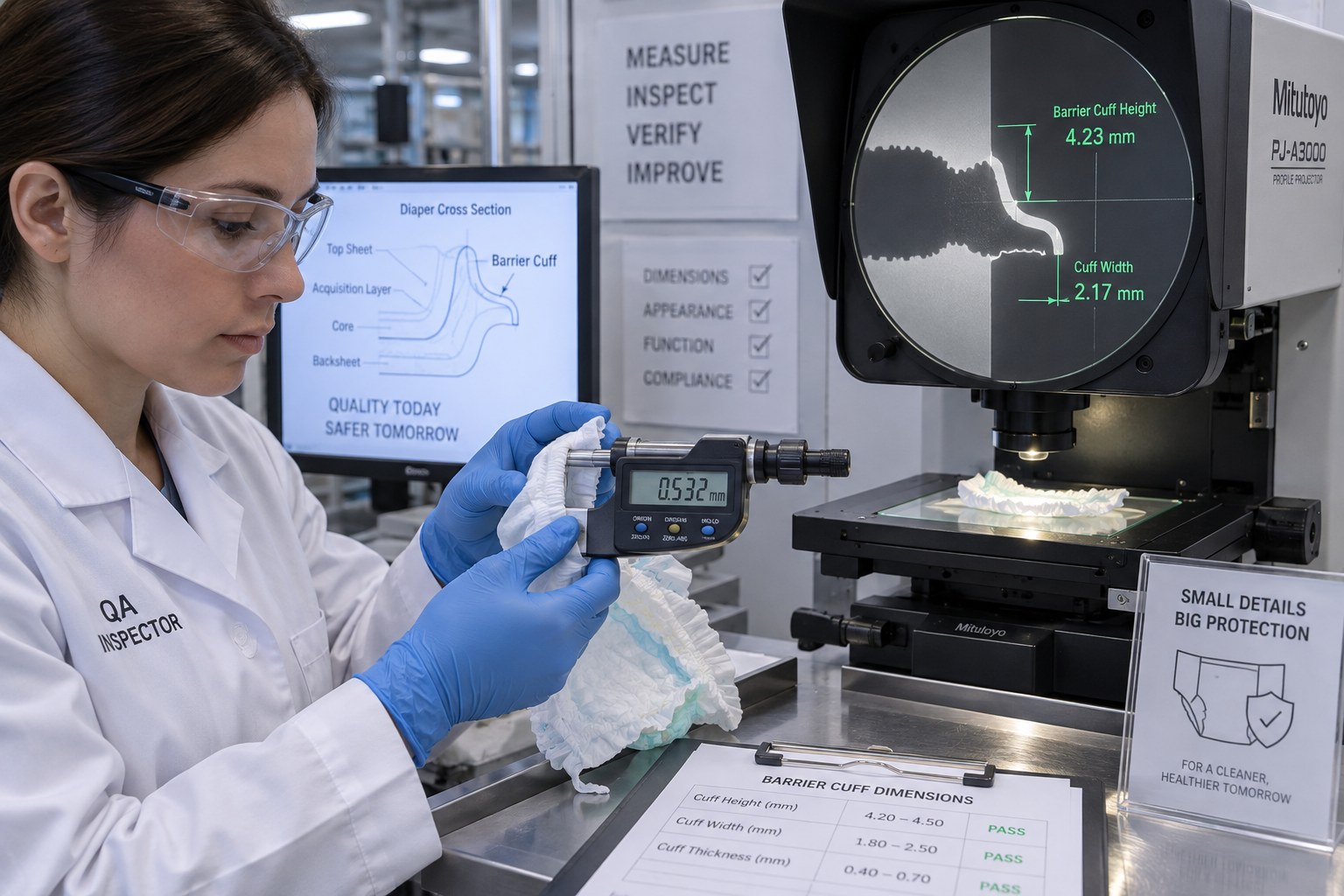
However, entering these public healthcare tenders requires navigating stringent qualification hurdles. Tender evaluation committees enforce strict documentary scoring systems, routinely disqualifying bids that lack ISO 13485 accreditation, audited cleanroom environmental records, or verified clinical laboratory test data under ISO 11948-1 (Rothwell Method) (Rothwell Method). Generic trading companies and non-certified converters are systematically eliminated during initial document triage.
Shenghongda serves as a turnkey manufacturing partner for tender bidders. Our dedicated International Tenders Desk provides qualified distributors with complete, authenticated tender submission dossiers, encompassing:
- Authenticated TÜV Rheinland ISO 13485:2016 and ISO 9001:2015 certificates with global IAF accreditation seals.
- European CE MDR Class I Declaration of Conformity (DoC) and European Authorized Representative (EC REP) mandates.
- Full ISO 10993 biological safety and cytotoxicity test reports from accredited GLP laboratories.
- Comprehensive Rothwell absorption and surface rewet test certificates from our CNAS-accredited testing facility.
- State-backed Sinosure Open Account (OA 60 to 90 days) credit facilities that bridge public tender payment cycles.
7. Quality Due Diligence Roadmap: How Overseas Buyers Audit and Validate Shenghongda's QMS
Shenghongda welcomes on-site and virtual quality audits from prospective international brand owners, healthcare procurement syndicates, and third-party inspection agencies (including SGS, Intertek, and Bureau Veritas). To facilitate frictionless quality verification, our quality assurance department maintains a standardized four-step audit protocol:
- Step 1: Quality Questionnaire & Pre-Audit Information Package: Within 24 hours of inquiry, prospective clients receive our complete Quality Manual overview, ISO 13485 certificates, cleanroom environmental validation summaries, and sample Certificate of Analysis (COA) templates.
- Step 2: Virtual Live-Stream Cleanroom & Production Floor Audit: For international clients unable to travel to China immediately, Shenghongda conducts high-definition live video walkthroughs led by our QA Director. Clients inspect raw material staging zones, active converting lines, inline Cognex vision cameras, and cleanroom airlock procedures in real time.
- Step 3: Physical On-Site Factory Tour & Laboratory Witness Testing: Visiting procurement delegations are welcomed to our Quanzhou campus. Clients witness live empirical testing inside our CNAS-accredited analytical laboratory, including Rothwell absorbency tests, Lister strike-through timing, and Shimadzu universal tensile peel testing.
- Step 4: Quality Agreement Execution & Batch Release Protocol: Prior to production kickoff, a comprehensive Quality Technical Agreement is executed, formally establishing acceptance quality limits (AQL 0.65 for major defects, AQL 1.0 for minor defects) and defining pre-shipment inspection sign-off workflows.
In accordance with ISO 13485 Clause 7.3 (Design and Development Controls), Shenghongda maintains comprehensive Design History Files (DHF) and Device Master Records (DMR) for all private-label healthcare products. When a brand client requests a modified chassis dimension or an upgraded superabsorbent loading, our engineering team executes formalized design input, design verification, and design validation workflows under ISO 13485 design review protocols. Physical testing of design outputs verifies that modified parameters do not compromise essential safety and performance requirements (ESPR) under European CE MDR Annex I.
Furthermore, our annual internal audit schedule mandates quarterly cross-functional audits across all manufacturing departments. Independent audit teams comprising certified lead auditors evaluate cleanroom airlocks, material quarantine hold workflows, and calibration certificates, reporting directly to executive management. Any minor non-conformance identified during internal audits initiates immediate containment, root-cause investigation, and corrective action verification within 14 days, maintaining continuous audit readiness.
We invite international medical distributors and brand executives to contact our regulatory team to initiate quality due diligence and experience the clinical precision of our ISO 13485 manufacturing platform.