
1. The 2026 Global Maritime Trade Landscape & Container Freight Dynamics
In the high-volume international trade of disposable absorbent hygiene products, ocean freight economics represent one of the most critical determinants of landed procurement competitiveness and commercial viability. Disposable diapers, adult incontinence briefs, and hospital underpads are inherently high-bulk, low-density goods: under standard packing methods, an ocean shipping container reaches its maximum volumetric capacity (cube out) long before reaching its legal gross weight limit (weigh out). When international maritime shipping rates fluctuate unpredictably—driven by geopolitical conflicts, canal passage restrictions, and carrier blank sailings—shipping excess air across oceans imposes an unsustainable cost penalty on overseas importers.
In 2026, global maritime trade lanes face complex macroeconomic and operational headwinds. Prolonged security disruptions in the Red Sea and Bab-el-Mandeb Strait have forced international container carriers to re-route primary Asia-Europe container services around the Cape of Good Hope, adding 10 to 14 days of sailing transit time and tying up global container equipment. Spot freight indices—such as the Drewry World Container Index (WCI) and Shanghai Containerized Freight Index (SCFI)—have demonstrated severe volatility across transpacific and European routes. For overseas retail brand owners, medical distributors, and supermarket procurement directors, securing predictable finished goods pricing requires an export partner strategically situated adjacent to world-class deep-water maritime infrastructure.
Operating from Quanzhou in Fujian Province, China since 2004, Quanzhou Shenghongda Hygiene Products Co., Ltd. is positioned at the epicenter of Southeast China’s premier container logistics network. Situated between the deep-water maritime container hub of Xiamen Port (UN/LOCODE: CNXMN) and the specialized regional gateway of Quanzhou Port (UN/LOCODE: CNQZ), Shenghongda provides international B2B buyers with direct access to weekly direct container liner services to over 150 global discharge ports, producing over 1.2 billion units annually across OEM Adult Diapers with Tapes, Baby Diapers OEM Manufacturing, Adult Incontinence Pull-Up Pants, and Disposable Hospital Bed Underpads.
By pairing strategic carrier service contracts with proprietary high-density vacuum compression packaging and state-backed Sinosure credit financing, Shenghongda insulates overseas clients from freight inflation and guarantees on-time container delivery across more than 88 export destination nations.
Furthermore, local customs facilitation at Quanzhou and Xiamen customs districts provides expedited "Green Channel" export clearance for accredited manufacturers. Shenghongda maintains Authorized Economic Operator (AEO) advanced certification status, which guarantees priority customs inspections, simplified export declarations, and expedited container vessel loading. This regulatory advantage prevents costly terminal roll-overs and ensures that overseas retail distribution schedules are maintained with pinpoint reliability.
2. Port Infrastructure: Port of Xiamen Deep-Water Hub vs Quanzhou Coastal Feeder Network
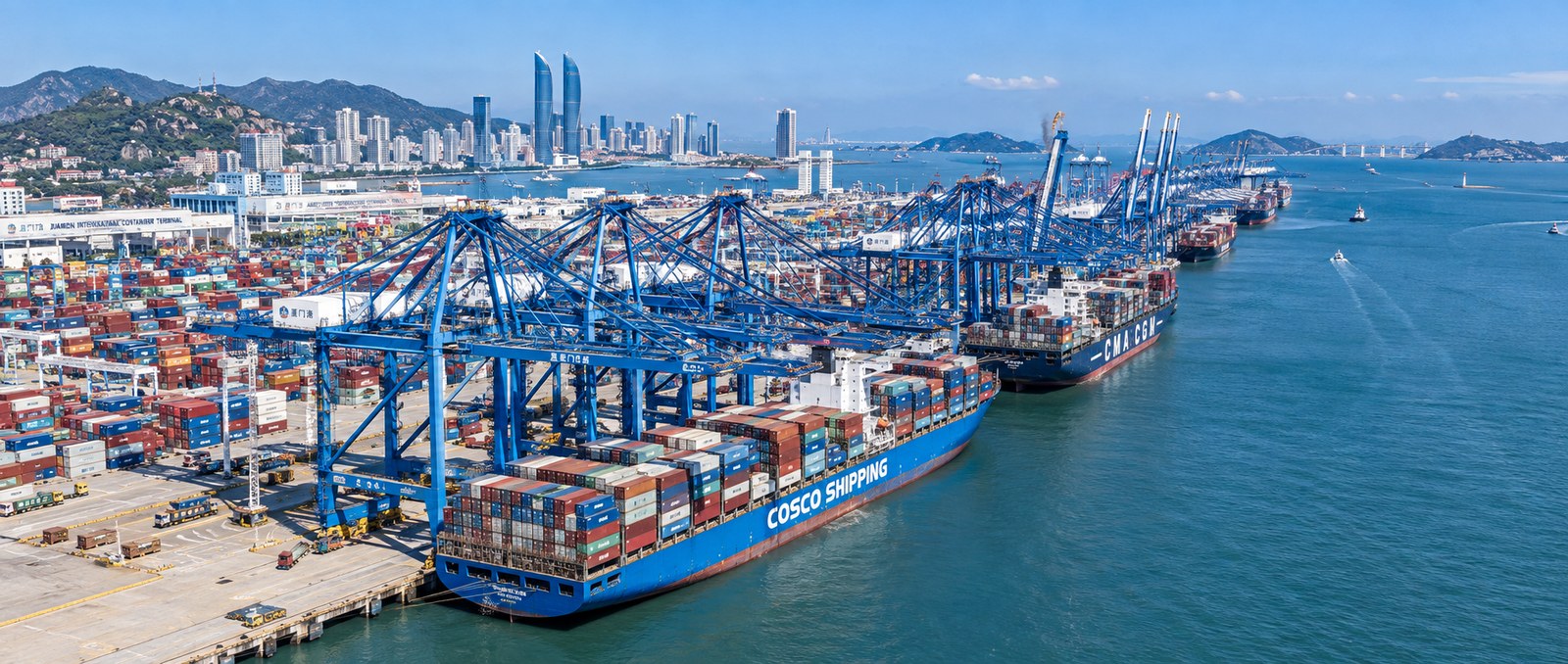
Understanding Shenghongda’s logistics advantage requires examining the strategic maritime geography of Fujian Province. The Port of Xiamen ranks among the top 15 busiest container ports on the planet, boasting naturally sheltered deep-water berths with approach depths of up to -17.5 meters. This world-class maritime infrastructure accommodates the world’s largest Ultra Large Container Vessels (ULCVs)—including 24,000 TEU megaships operated by the Ocean Alliance, 2M, and THE Alliance. Xiamen maintains over 80 direct international container liner routes providing weekly express departures to major European gateways (Rotterdam, Hamburg, Valencia, Antwerp), North American West and East Coast ports (Los Angeles, Long Beach, New York, Savannah), and Latin American Pacific hubs (Manzanillo, Buenaventura, Callao, San Antonio).
Complementing Xiamen’s global reach is the adjacent Port of Quanzhou, recognized historically as the origin of the Maritime Silk Road and currently operating as a high-efficiency specialized container and coastal feeder gateway. Located less than 25 kilometers from Shenghongda’s 8,000 square meter manufacturing complex, Quanzhou Port provides rapid drayage turnaround times, low terminal handling charges (THC), and direct intra-Asia liner connections to Southeast Asian ports (Singapore, Port Klang, Manila, Bangkok, Jakarta) and Middle Eastern transshipment hubs. Our dedicated logistics team dynamically routes container bookings between Xiamen and Quanzhou based on carrier transit speed, equipment availability, and spot freight rate differentials.
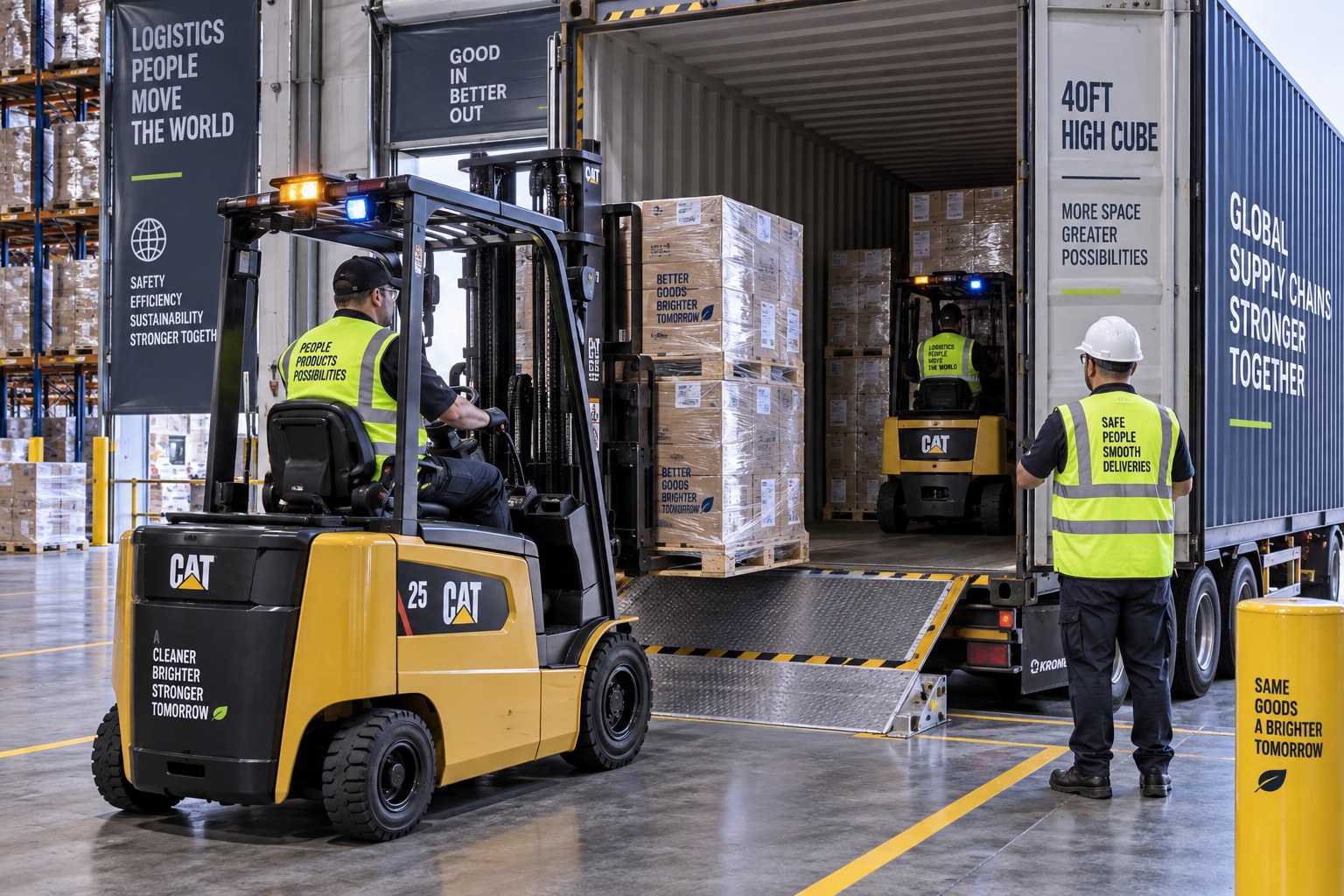
Container stuffing operations at Shenghongda are executed with rigorous industrial precision. Absorbent hygiene articles are highly sensitive to maritime ambient moisture and condensation (container rain) during trans-equatorial ocean voyages. All empty 40-foot High Cube (40HQ) containers undergo a thorough 7-point structural inspection upon arrival at our loading docks: checking for floor moisture, pinhole roof perforations, door gasket integrity, and residual chemical odors. Prior to loading, containers are lined with moisture-barrier kraft paper and equipped with high-capacity calcium chloride container desiccant bags, ensuring that internal relative humidity remains below 60% throughout 30-day maritime transits.
Shenghongda’s logistics engineers utilize computerized 3D container stuffing software to calculate exact palletization and floor-loading patterns. By optimizing carton stacking configurations and eliminating empty voids, our loading crews achieve a container cubic fill factor exceeding 95% of theoretical volume, while maintaining strict adherence to international road weight limitations in destination countries (such as the 44,000 lb gross cargo limit in the United States and 24,000 kg limits across the European Union).
In addition, our drayage fleet is fully integrated with automated GPS tracking and electronic container seal verification. Once a container is packed and sealed at our loading bay, digital customs e-seals are registered in the carrier's electronic data interchange (EDI) system, providing overseas clients with real-time visibility from our factory warehouse to vessel loading at the port terminal.
| Logistics & Freight Factor | Inland / Northern China Competitor | Shenghongda Port Hub (Xiamen / Quanzhou) | Commercial Advantage for Importers |
|---|---|---|---|
| Factory to Deep-Water Port Drayage | 300 - 800 km inland haul ($600-$1,200/cntr) | 25 - 65 km local drayage ($150-$250/cntr) | Saves $450 - $950 USD per container in inland drayage |
| Direct Ocean Liner Departures | Frequent feeder barges; transshipment delays | Direct weekly calls by major alliances (2M/Ocean) | Reduces ocean transit time by 7 to 12 days |
| Container Equipment Availability | Frequent empty container equipment shortages | Priority allocation at Xiamen global hub | Eliminates rolled cargo and export customs delays |
| 40HQ Container Load Count (Adults) | 70,000 - 74,000 pcs (Standard packaging) | 92,000 - 96,000 pcs (Vacuum compressed) | +28% higher piece count; $0.024/pc ocean freight savings |
| Container Moisture Protection | Standard loading without desiccants | Full desiccant installation + 7-point inspection | Zero risk of container sweat, mold, or damaged cartons |
| Trade Credit & Financing Terms | Strict 30% deposit + 70% before bill of lading | Sinosure Open Account (OA) 30/60/90-day credit | Bridges working capital gap during maritime transit |
3. Ocean Shipping Operations, Container Stuffing Physics & Anti-Sweat Condensation Engineering
The physical journey of an ocean container carrying absorbent personal care products involves severe climatic transitions. As a container vessel voyages from the humid subtropical climate of Southeast China through equatorial maritime routes and into temperate or cold Northern European or North American ports, ambient temperatures can drop by 25°C to 30°C within 48 hours. Under basic thermodynamic laws, warm air within the container holds substantial moisture vapor; when the container's corrugated steel walls cool rapidly, the internal air reaches its dew point, precipitating liquid condensation—known in maritime logistics as "container rain."
If container sweat drips onto unprotected corrugated shipping cartons, the moisture softens the starch-based corrugating adhesives, leading to catastrophic carton collapse, bulging box walls, and mold proliferation. Even worse, if moisture penetrates into retail polybags, dry superabsorbent polymer (SAP) granules within the diapers can prematurely absorb atmospheric vapor, partially degrading their Centrifugal Retention Capacity (CRC) before ever reaching the end consumer. To guarantee that every diaper arrives in pristine clinical condition, Shenghongda engineers a comprehensive anti-sweat moisture mitigation protocol for every outbound ocean container.
Our loading docks implement a multi-layered barrier defense system:
- Pre-Loading Equilibrium Inspection: All corrugated master cartons and finished polybags undergo a mandatory 48-hour moisture equilibrium dwell in our climate-controlled finished goods staging warehouse, ensuring that corrugated board moisture content does not exceed 7.5% prior to container stuffing.
- Vapor-Barrier Container Ceiling & Wall Liners: Before goods are loaded, container interiors are lined with high-strength polyethylene or multi-ply woven kraft paper liners that act as a thermal buffer, preventing direct contact between warm cargo air and cold container steel bulkheads.
- High-Absorption Calcium Chloride Desiccant Poles: Shenghongda suspends active calcium chloride ($CaCl_2$) desiccant poles along the container walls. Unlike standard silica gel packs that absorb only 20% to 30% of their weight in moisture and release it back when temperatures rise, our specialized $CaCl_2$ desiccant poles absorb up to 300% of their dry weight in ambient vapor, trapping the moisture chemically as an irreversible, non-dripping gelatinous matrix.
- Mechanical Void Bracing & Dunnage Airbags: To prevent cargo shifting, box crushing, or carton friction during heavy ocean swells, high-pressure poly-woven dunnage air bags are inserted into lateral and longitudinal voids, locking the cargo block into an immovable, shock-absorbing monolith.
By enforcing this rigorous maritime packing protocol, Shenghongda maintains a documented zero-cargo-damage record across more than 2,500 ocean containers shipped annually to international markets.
4. Port Terminal Operations, Customs EDI Automation & Bill of Lading Procedures
Streamlined documentation and electronic data interchange (EDI) integration represent the administrative backbone of international ocean freight. In high-volume personal care supply chains, documentary errors or delays in bill of lading (B/L) release can result in devastating destination port demurrage and container detention charges—often accumulating at $150 to $300 USD per container per day in congested ports such as Los Angeles, New York, or Rotterdam. Shenghongda’s specialized international trade documentation department eliminates these administrative bottlenecks through fully digitized export clearance workflows.
Operating in direct electronic integration with major ocean carriers (COSCO Shipping, Maersk Line, Evergreen Marine, CMA CGM, and MSC) and the China Single Window customs declaration platform, our export specialists generate validated shipping instructions (SI) and Verified Gross Mass (VGM) declarations with automated accuracy. In compliance with the International Maritime Organization (IMO) SOLAS convention, every container stuffed at Shenghongda is weighed on certified axle scale weighbridges, ensuring that accurate VGM certificates are transmitted electronically to terminal operators at Xiamen and Quanzhou 24 hours prior to vessel cut-off.
Furthermore, our trade desk provides complete turnkey documentary dossiers tailored to the specific customs import requirements of the destination country:
- Clean On-Board Ocean Bills of Lading: Immediate express telex release or surrendered B/L options for swift cargo delivery, eliminating the risk of lost physical original documents during international courier transit.
- Preferential Certificates of Origin (CO): Issuance of authenticated Free Trade Agreement (FTA) origin certificates—including Form E for ASEAN, Form F for Chile, Form P for Pakistan, and RCEP Certificates of Origin—granting zero or reduced import tariff rates for our B2B partners.
- Commercial Invoices & Detailed Packing Lists: Serialized by container number, seal number, individual carton barcodes, gross/net weights, and exact product piece counts, simplifying destination customs inspection and bonded warehouse receiving.
- Manufacturer's Declarations of Conformity (DoC): Comprehensive regulatory declarations certifying compliance with U.S. FDA 21 CFR 880.5270, European European CE MDR (EU 2017/745), and ISO 13485:2016 medical device quality standards.
By coordinating documentation with extreme administrative precision, Shenghongda ensures that our overseas distribution partners achieve green-channel customs clearance within 24 to 48 hours of vessel discharge, minimizing storage fees and keeping regional retail supply chains fluid.
| Maritime Trade Lane & Destination | Primary Gateway Ports | Average Transit Time | Standard Load Cost / pc | Shenghongda High-Density Cost / pc |
|---|---|---|---|---|
| Asia - North America West Coast | Xiamen to Los Angeles / Long Beach | 14 - 18 days | $0.048 - $0.056 / pc | $0.034 - $0.039 / pc (-28%) |
| Asia - North America East Coast | Xiamen to New York / Savannah | 26 - 32 days | $0.068 - $0.078 / pc | $0.049 - $0.055 / pc (-29%) |
| Asia - Northern Europe | Xiamen to Rotterdam / Hamburg | 28 - 34 days (via Cape) | $0.065 - $0.075 / pc | $0.047 - $0.053 / pc (-28%) |
| Asia - Mediterranean Europe | Xiamen to Valencia / Barcelona | 25 - 30 days | $0.060 - $0.070 / pc | $0.043 - $0.049 / pc (-28%) |
| Asia - Latin America Pacific | Xiamen to Manzanillo / Callao | 22 - 28 days | $0.058 - $0.068 / pc | $0.041 - $0.048 / pc (-29%) |
| Asia - Middle East / GCC | Quanzhou to Jebel Ali / Dammam | 14 - 18 days | $0.038 - $0.045 / pc | $0.027 - $0.032 / pc (-28%) |
5. Freight Contracting Strategies, Bunker Adjustment Factors (BAF) & Demurrage Risk Management
Navigating the volatile economics of ocean container shipping requires strategic contracting sophistication. In the container shipping market, ocean freight rates are rarely static; they are heavily influenced by seasonal cargo peaks, carrier general rate increases (GRI), peak season surcharges (PSS), and floating Bunker Adjustment Factors (BAF) tied to global low-sulfur marine fuel oil (VLSFO) prices. Importers who rely purely on volatile spot freight markets frequently find their landed margins wiped out during unexpected shipping crises or holiday cargo crunches.
To insulate our global B2B clients from freight market turbulence, Shenghongda’s logistics desk negotiates annual and semi-annual direct Service Contracts with premier ocean carriers, including COSCO, Evergreen, and Maersk. These carrier-direct contracts establish fixed ocean base rates and guaranteed weekly space allocations (Named Account Contracts), protecting our clients from sudden spot-rate spikes and ensuring that production schedules are matched with guaranteed container vessel bookings even during peak pre-Christmas and pre-Chinese New Year shipping rushes.
In addition to ocean base rates, destination demurrage and detention terms represent a major hidden cost risk in international shipping. In standard carrier bookings, shipping lines grant only 3 to 7 days of "free time" at destination ports before charging punitive container detention and demurrage fees. For large medical distributors or supermarket retail suppliers who must transport containers from port terminals to inland regional distribution centers, 5 days is rarely sufficient. Through our high-volume carrier agreements, Shenghongda routinely negotiates extended destination free-time—securing between 14 and 21 combined demurrage/detention days at major discharge ports—providing our clients with crucial operational breathing room to clear customs, dray containers to local warehouses, and unstuff cargo without incurring thousands of dollars in carrier penalties.
Furthermore, Shenghongda provides flexible Incoterms contracting models to suit our clients' financial preferences:
- FOB Xiamen / FOB Quanzhou: Ideal for multinational retailers with their own contracted global freight forwarders and centralized maritime service contracts.
- CIF / CFR Destination Port: Turnkey logistics delivery managed entirely by Shenghongda’s shipping desk, leveraging our bulk volume discounts to secure freight rates substantially lower than individual mid-sized importers could obtain on the open market.
- DDP / DAP Inland Warehouse: Full door-to-door delivery including destination customs clearance and inland drayage, eliminating logistics complexity for emerging retail brand owners.
6. Supply Chain Resiliency, Transshipment Risk Mitigation & Clean Equipment Governance
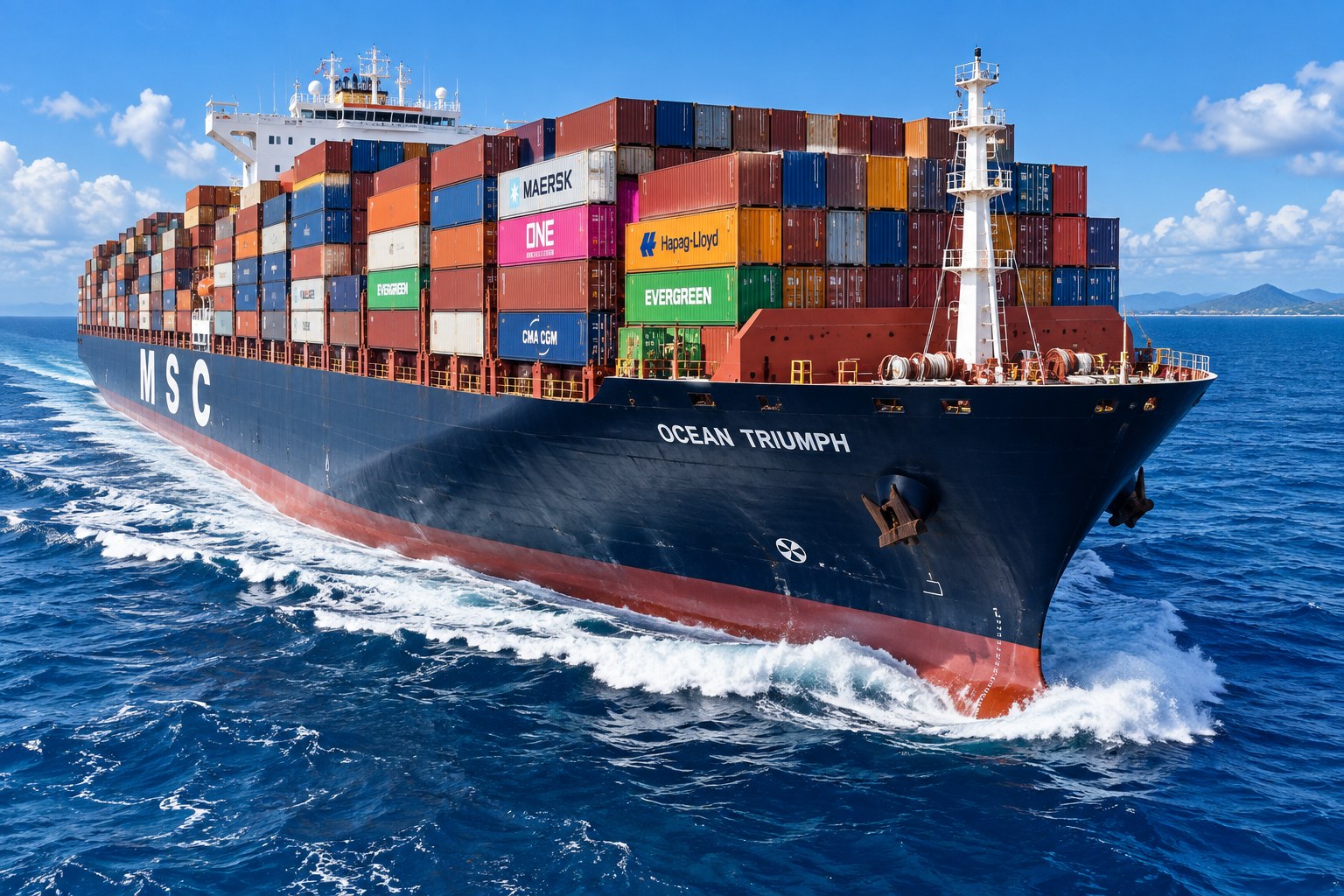
The resilience of an international personal care supply chain depends heavily on avoiding transshipment bottlenecks and maintaining strict hygiene standards for shipping equipment. In ocean logistics, feeder barge transshipment represents a primary source of schedule unreliability: when cargo is shipped from small river ports or secondary coastal feeder terminals, containers must be offloaded and re-stowed onto mother vessels at congested hub ports like Busan, Singapore, or Hong Kong. A single feeder delay or terminal crane congestion at the transshipment port can cause containers to miss their mother vessel connection, resulting in 10 to 20 days of unplanned cargo delay.
Shenghongda eliminates transshipment failure points by prioritizing direct mother-vessel liner services from the Port of Xiamen. Because Xiamen is a primary deep-water port of call for the largest mega-container vessels on major international loops, containers loaded at our Quanzhou factory are drayed directly to Xiamen’s Haicang or Songyu deep-water terminals and loaded directly onto the mother ship, traveling straight to destination discharge ports without intervening feeder transfers. This direct-loading model eliminates port congestion risks, reduces physical container handling, and shaves 7 to 14 days off total supply chain transit times.
Equally critical is clean equipment governance. Absorbent personal hygiene products—including adult briefs, baby diapers, and surgical underpads—are categorized as medical and personal care articles that must remain 100% free from chemical odors, industrial grease, toxic residues, and biological pests. Shipping lines frequently reuse general-purpose containers that previously hauled chemicals, raw hides, tires, or heavy machinery. Loading delicate personal care products into a chemically contaminated container can ruin millions of units, as nonwoven fibers and porous fluff cores readily absorb ambient odors and volatile organic compounds (VOCs).
Shenghongda enforces an uncompromising container rejection policy. Every empty container delivered to our loading docks must pass an exhaustive visual and olfactory inspection conducted by our certified Quality Control personnel:
- Olfactory Air Check: The container doors are closed for 10 minutes and reopened to verify absolute absence of diesel, chemical, chemical fertilizer, or mold odors. Any container with noticeable odors is rejected immediately.
- Light Leakage Inspection: An inspector enters the container, closes the doors completely, and checks for microscopic sunlight pinholes along roof seams, side walls, and corner castings.
- Floor Cleanliness & Integrity: Wooden flooring must be dry, sanded smooth, free of oil stains, chemical spills, protruding nails, or splintered planks that could puncture master shipping cartons.
- Door Gasket Elasticity: Rubber door seals must be intact, supple, and continuous around the entire perimeter, ensuring a hermetic seal against seawater spray and coastal fog during stormy ocean crossings.
Through this strict equipment vetting, Shenghongda guarantees that every container departing our factory provides a clean, dry, and odor-free transport environment that preserves medical-grade hygiene integrity from our cleanroom floor to the overseas patient bedside.
7. Strategic Sourcing Due Diligence Roadmap & Ocean Freight Negotiation Guide for Importers
For international procurement directors, healthcare tender managers, and consumer goods brand executives seeking to optimize ocean freight logistics and ensure on-time delivery, Shenghongda recommends the following 7-step operational due diligence roadmap:
- Step 1: Evaluate Factory Port Proximity & Carrier Direct Calls
Audit the prospective manufacturer's physical logistics geography: verify direct proximity to major deep-water container ports (such as Xiamen and Quanzhou) to eliminate costly inland trucking legs ($500-$1,000/cntr) and avoid feeder barge transshipment delays.
- Step 2: Volumetric Container Stuffing Simulation
Require detailed 3D container packing simulations for 40HQ containers: verify that the manufacturer utilizes high-density vacuum pre-compression to achieve piece counts exceeding 92,000 adult diapers or 400,000 baby diapers per box.
- Step 3: Container Inspection & Desiccant Protocol Review
Review the factory's formalized container loading protocols: ensure mandatory 7-point container structural inspections, vapor-barrier kraft lining, and installation of calcium chloride desiccants to eliminate container rain during maritime transit.
- Step 4: Carrier Contract & Demurrage Terms Negotiation
Collaborate with Shenghongda's logistics desk to secure service contracts with premier ocean carriers (COSCO, Maersk, Evergreen). Negotiate extended destination free-time (14 to 21 days detention/demurrage) at major discharge ports.
- Step 5: Electronic Documentation & Customs EDI Pre-Clearance
Establish automated EDI connections for instant shipping instruction validation, VGM transmission, and electronic bill of lading release. Pre-clear preferential Certificates of Origin (Form E, Form F, RCEP) to guarantee immediate green-channel customs clearance upon port arrival.
- Step 6: Sinosure Open Account (OA) Credit Setup
Apply for Sinosure Open Account (OA) 30, 60, or 90-day credit facilities to optimize working capital. Coordinate commercial documentation and bills of lading to ensure seamless customs clearance and trade finance execution.
- Step 7: Post-Voyage Cargo Quality Review & Container Tracking Feedback
Conduct structured cargo condition assessments upon container arrival at destination warehouses: inspect master carton integrity, verify absence of moisture or container sweat, and calibrate ongoing shipping plans to continually optimize landed supply chain efficiency.