
1. The Global Superabsorbent Polymer (SAP) Market Dynamics & Chemical Feedstock Architecture
Superabsorbent Polymer (SAP)—predominantly cross-linked sodium polyacrylate ($[-CH_2-CH(COONa)-]_n$)—constitutes the undisputed functional core and primary raw material cost driver of modern absorbent hygiene manufacturing. Representing between 25% and 50% of the total bill of materials (BOM) cost of an adult incontinence brief or high-capacity baby diaper, global SAP pricing dynamics exert an immediate, profound impact on the operating margins of personal care brand owners and international healthcare distributors worldwide. Navigating this market requires a sophisticated understanding of petrochemical upstream feedstocks, international production capacities, and polymer synthesis technologies.
The manufacturing economics of superabsorbent polymers are inextricably tethered to the petrochemical propylene value chain. Propylene ($C_3H_6$) derived from crude oil steam cracking or propane dehydrogenation (PDH) is catalytically oxidized to produce acrylic acid ($CH_2=CHCOOH$)—the essential monomer precursor of SAP. Consequently, global SAP pricing indices fluctuate in close correlation with crude oil spot prices, natural gas cracking costs, and regional acrylic acid production plant turnarounds. In 2026, global hygiene manufacturers face an intricate supply landscape characterized by capacity additions in East Asia offset by rigorous European environmental carbon regulations and fluctuating ocean freight rates. For overseas procurement directors, securing predictable finished diaper pricing demands a manufacturing partner with long-term strategic supply contracts with tier-1 global polymer synthesizers.
However, commercial SAP purchasing is far more than a financial commodity hedge; polymer chemical quality dictates clinical fluid performance. Low-grade commodity SAP formulations manufactured for agricultural or basic industrial water-blocking applications exhibit catastrophic gel blocking when deployed in hygiene articles: upon initial liquid contact, the outer layer of polymer particles swells instantaneously into a cohesive, impermeable viscous slime that completely blocks subsequent fluid from reaching unswollen dry polymer beads beneath. Quanzhou Shenghongda Hygiene Products Co., Ltd. resolves this challenge through direct strategic procurement partnerships with the world's most prestigious polymer innovators: Japanese pioneers Sumitomo Seika Chemicals (Japan) Chemicals (Aqua Keep SA60 and SA65 series), Sanyo Chemical Industries / San-Dia Polymers, and European chemical titan BASF (HySorb series).
Operating 16 high-speed full-servo converting lines across an 8,000 square meter Quanzhou manufacturing center, Shenghongda integrates premium Japanese and European polymer grades across its comprehensive product portfolio, encompassing OEM Adult Diapers with Tapes, Baby Diapers OEM Manufacturing, Adult Incontinence Pull-Up Pants, and Disposable Hospital Bed Underpads.
2. Polymer Synthesis Chemistry, Cross-Linking Gradients & AUL Hydrodynamics
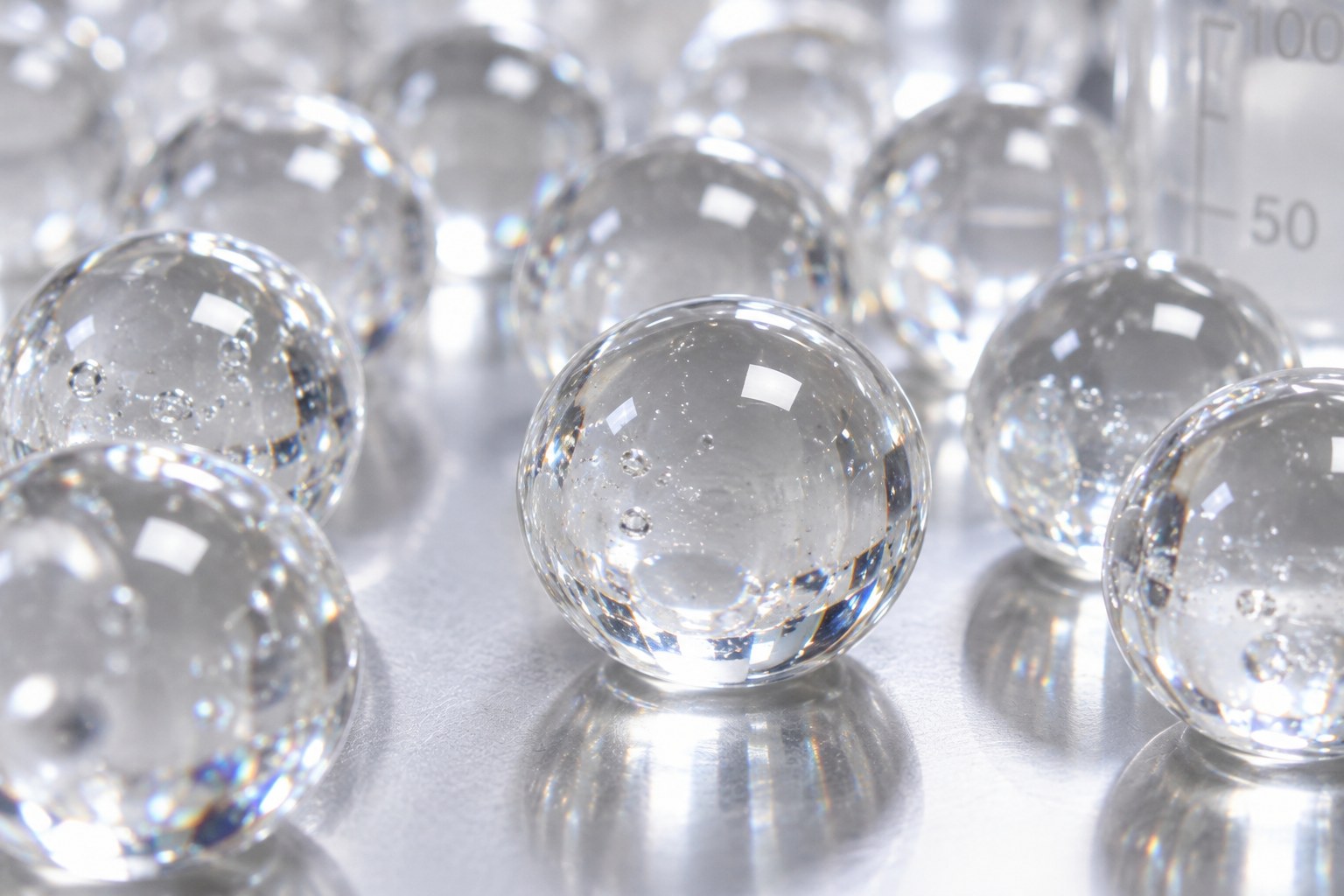
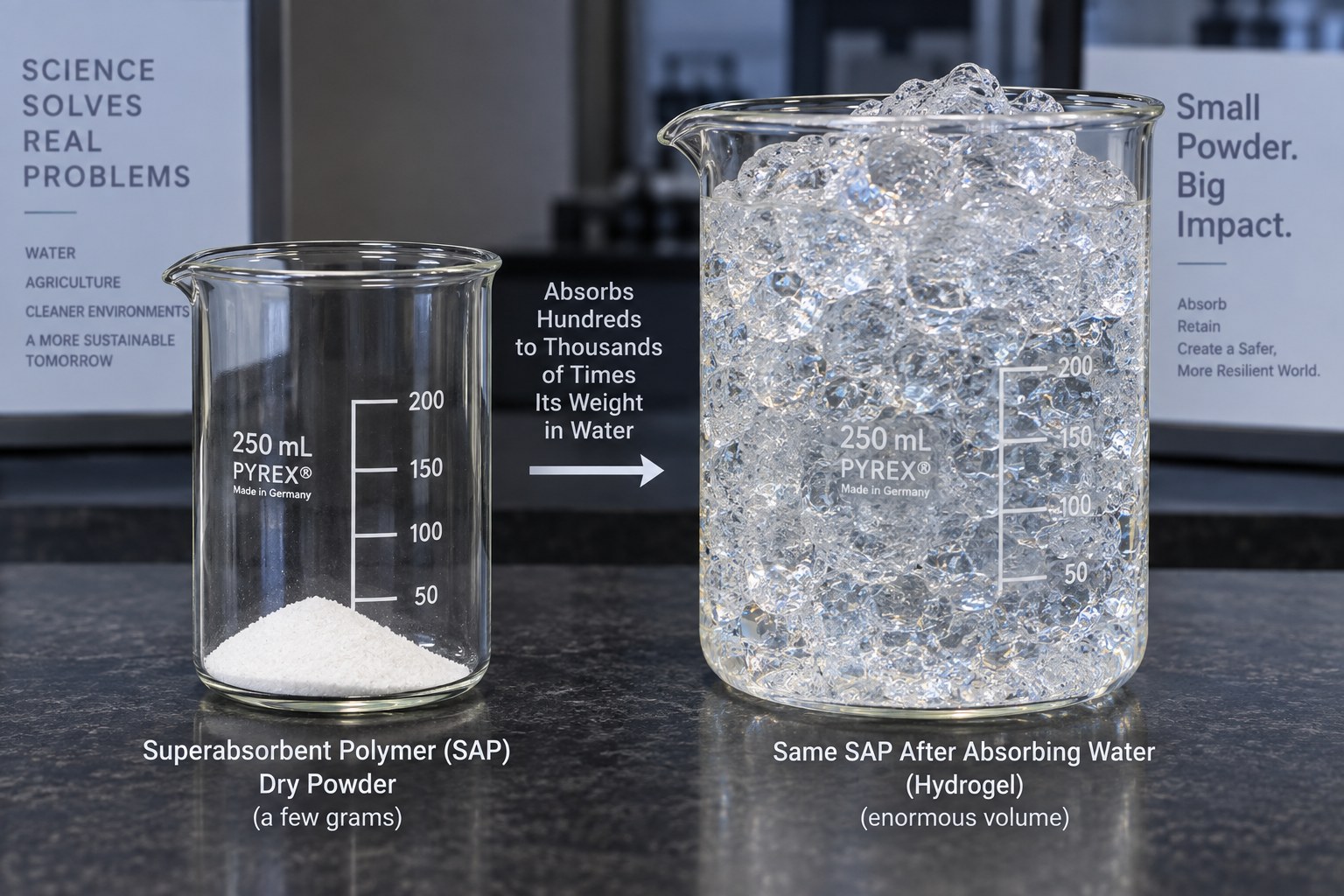
Understanding why tier-1 Japanese superabsorbent polymers outperform low-grade commodity substitutes requires examining the molecular physics of cross-linked polymer networks and the thermodynamics of osmotic swelling. Cross-linked sodium polyacrylate absorbs aqueous fluids through an osmotic pressure gradient created by mobile sodium counter-ions ($Na^+$) dissociation within the hydrophilic carboxylate groups ($-COO^-$) along the polymer backbone. As water molecules hydrate the carboxylate ions, mutual electrostatic repulsion between negative charges forces the coiled polymer chains to untangle and expand, drawing fluid into the 3D molecular meshwork until elastic contractile forces of the chemical cross-links balance osmotic swelling pressure.
The critical performance differentiator in clinical and infant hygiene is Absorbency Under Load (AUL)—specifically measured at a mechanical pressure of 0.7 psi (4.8 kPa), simulating the localized pressure exerted by an adult user seated or an active infant lying down. While ordinary free-swell Centrifugal Retention Capacity (CRC) reflects absorption in the absence of pressure, AUL quantifies the polymer’s ability to draw fluid against severe compressive forces. Standard commodity SAP particles typically achieve an AUL (0.7 psi) of only 12 to 16 g/g, because their internal cross-linking density is uniform throughout the particle. Under pressure, these soft, swollen particles deform into flat discs, closing the interstitial void spaces between granules and causing severe gel blocking.
In contrast, Japanese Sumitomo Seika Chemicals (Japan) Aqua Keep polymers utilize advanced "core-shell" surface cross-linking technology. Following suspension polymerization, the outer surface layer of each spherical polymer bead is subjected to secondary chemical cross-linking using specialized diepoxy or polyol cross-linking agents under controlled thermal cure cycles. This creates a particle morphology with a highly cross-linked, rigid outer shell encapsulating a moderately cross-linked, high-capacity internal core. When wetted, these spherical granules swell without deforming, maintaining rigid particulate geometry that preserves open capillary channels between beads, allowing fluid to penetrate deeply into the core even under 0.7 psi mechanical load. Shenghongda's selected polymer grades consistently achieve CRC values of ≥32 g/g coupled with AUL (0.7 psi) of ≥24 g/g under EDANA Standards NWSP 241.0 and NWSP 242.0 testing.
Furthermore, particle size distribution is strictly calibrated in Shenghongda’s quality specifications. The polymer granules are sieved within an exact granulometric band of 150 to 850 microns, with particles smaller than 106 microns (fines) strictly limited to less than 1.0%. Fines generate explosive gel blocking and migrate through tissue wraps, while particles larger than 850 microns absorb fluid too slowly, feeling like hard grit against sensitive baby or elderly skin. By maintaining strict Gaussian particle size distribution, Shenghongda guarantees rapid liquid acquisition kinetics and smooth anatomical comfort across all production runs.
| Technical Parameter | Generic Agricultural / Low-Grade SAP | Commercial Standard Diaper SAP | Sumitomo Seika Aqua Keep (Shenghongda) | Clinical & Engineering Significance |
|---|---|---|---|---|
| Centrifugal Retention Capacity (CRC) | 40 - 55 g/g (Theoretical free swell) | 28 - 30 g/g (Saline 0.9%) | ≥ 32 g/g (Verified 0.9% NaCl) | Quantifies permanent fluid retention against centrifuge |
| Absorbency Under Load (AUL 0.7 psi) | 8 - 14 g/g (Severe gel blocking) | 16 - 19 g/g (Moderate deformation) | ≥ 24 g/g (Rigid core-shell morphology) | Maintains fluid absorption under seated patient bodyweight |
| Surface Cross-Linking Morphology | None / Uniform low cross-linking | Standard surface post-cure | Precision gradient core-shell cross-link | Preserves open capillary channels between swollen beads |
| Particle Size Band (150 - 850 µm) | Uncontrolled broad distribution | 100 - 900 µm (Up to 5% fines) | 150 - 850 µm (Strictly < 1.0% fines) | Eliminates gel blocking and prevents polymer dust migration |
| Residual Acrylic Acid Monomer | > 500 ppm (Skin irritation risk) | < 300 ppm (Standard consumer limit) | < 100 ppm (Medical-grade purity) | Eliminates chemical erythema and dermatitis risk |
| Vortex Absorption Rate (Speed) | 60 - 120 seconds | 45 - 60 seconds | 28 - 35 seconds (Rapid kinetics) | Accelerates strike-through; prevents surface liquid pooling |
3. Automated Converting Line Integration: Gravimetric Loss-in-Weight SAP Feeders & Vision Control
Translating world-class polymer chemistry into finished personal care products requires extreme mechanical precision during converting line assembly. On modern high-speed diaper manufacturing lines running at linear velocities of up to 450 to 500 meters per minute, a variance of a single gram of superabsorbent polymer per diaper can compromise clinical absorbency or result in massive cumulative raw material cost overruns across an annual production volume of 1.2 billion units. At Shenghongda’s Quanzhou converting complex, 16 full-servo production lines are equipped with state-of-the-art automated polymer dosing and machine vision inspection systems.
To ensure absolute dosing precision, our converting lines feature automated loss-in-weight gravimetric SAP feeders from Swiss specialist Brabender Technologie. Polymer granules are pneumatically transferred from bulk sealed storage silos through stainless steel vacuum conveyance pipes directly into enclosed feeding hoppers positioned above the converting line. Dual high-precision digital load cells continuously monitor the rate of weight loss within the hopper at 200 Hz, while high-speed digital servo motors drive dual micro-metering screws that feed SAP granules directly into the inline hammermill air-laid drum. This closed-loop gravimetric control regulates SAP laydown weight within an exacting tolerance of ±0.2 grams per individual diaper chassis, completely eliminating the localized polymer starvation or excessive dumping typical of legacy volumetric cup feeders.
Inside the air-laid forming drum, the polymer granules are blended with defibrillated virgin Southern Bleached Softwood Kraft (SBSK) fluff pulp fibers from Weyerhaeuser Company (USA) under continuous negative vacuum pressure (-4.5 to -6.0 kPa). Shenghongda’s proprietary dual-stream dosing nozzles inject the polymer along a targeted concentration gradient: a higher density of SAP is concentrated in the central pelvic target zone where urinary insult volume is greatest, while the peripheral wing zones receive lower polymer ratios to preserve lateral chassis flexibility and prevent leg chafing.
Inline quality assurance is maintained by multi-camera Cognex high-speed digital machine vision systems equipped with multi-spectral polarized LED illumination. High-speed optical algorithms inspect 100% of finished diaper chassis in real-time, verifying:
- Absorbent Core Positioning: Confirming the longitudinal and lateral alignment of the fluff-SAP core relative to the poly backsheet within ±1.0 mm tolerance.
- Polymer Distribution Uniformity: Infrared radiometric sensors verify continuous SAP dispersion without localized clumping or voids.
- Core Pocket Sealing Integrity: High-resolution optical sensors verify that the tissue carrier wrapper and nonwoven containment envelope are hermetically sealed, preventing polymer granule leakage.
- Foreign Particulate Contamination: Detecting minute foreign fibers, dark specks, or insect contamination down to 0.2 mm² surface area.
4. Analytical Laboratory Verification, Chemical Purity & CNAS Testing Regimes
Documentary supplier certifications represent only the first stage of raw material quality governance; physical and chemical testing in an accredited laboratory environment is essential to verify batch-to-batch polymer consistency. Operating in strict conformance with CNAS National Accreditation and ISO/IEC 17025 Accredited laboratory management benchmarks, Shenghongda’s in-house Testing and Analytical Center conducts continuous batch-by-batch physical, chemical, and biological verification of all incoming SAP deliveries.
A primary chemical purity concern in superabsorbent polymer manufacturing is the presence of residual unreacted acrylic acid monomer ($AA$). If unreacted acrylic acid remains in the polymer matrix, it readily leaches into biological fluids upon wetting, causing severe chemical erythema, skin sensitization, and mucosal irritation. While standard industrial specifications permit residual acrylic acid levels up to 500 to 1,000 ppm, Shenghongda strictly enforces a medical-grade threshold below 100 ppm. In our analytical chemistry laboratory, polymer lot samples undergo high-performance liquid chromatography (HPLC) with ultraviolet detection (UV at 210 nm) in accordance with EDANA NWSP 210.0 protocols, confirming that residual monomer levels remain strictly below 80 ppm.
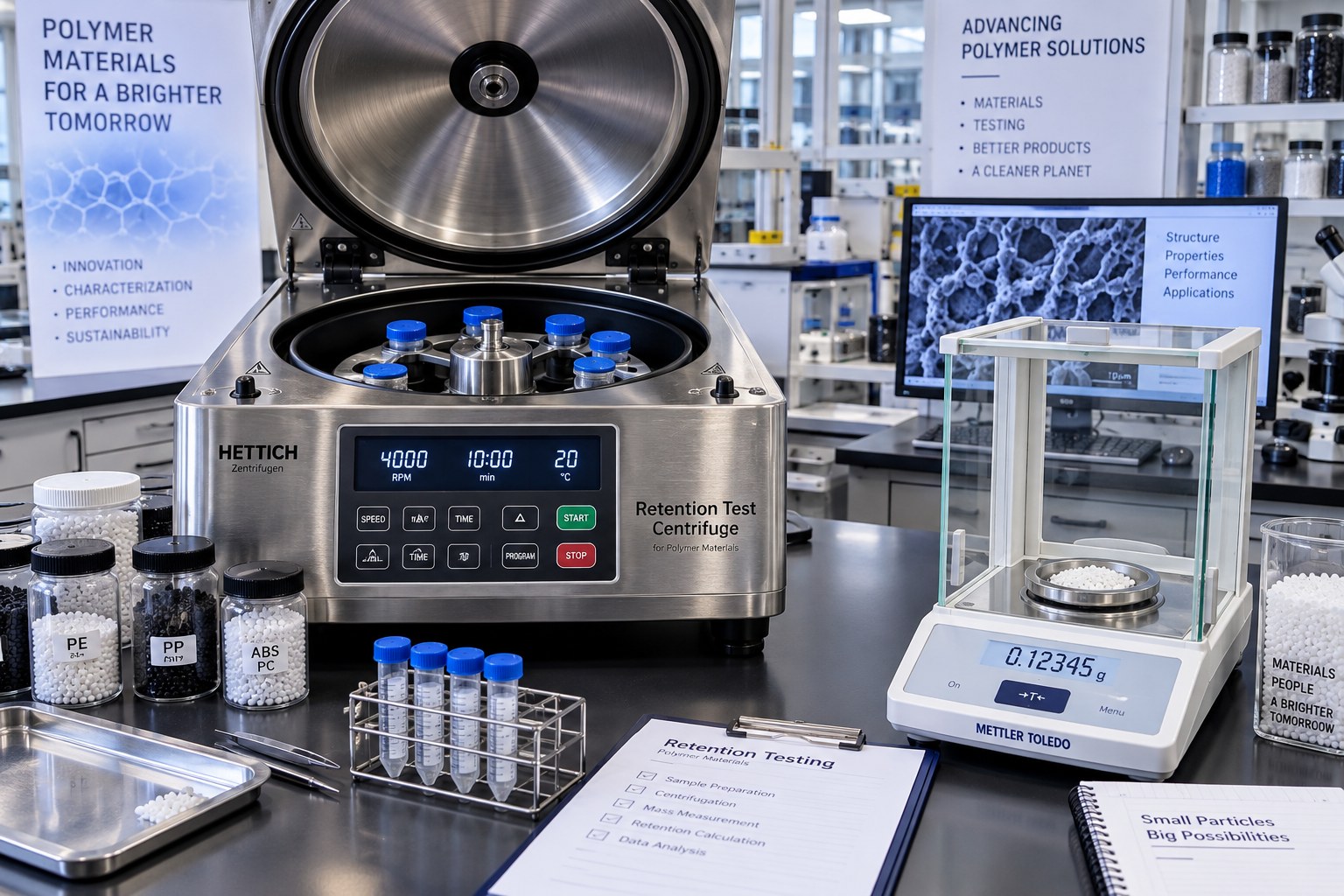
Fluid retention and swelling kinetics are evaluated in strict compliance with EDANA Standards NWSP harmonized standards. Centrifugal Retention Capacity (CRC) is quantified under NWSP 241.0.R2 by enclosing 0.200 g of SAP in heat-sealed nonwoven teabags, immersing them in 0.9% physiological saline for 30 minutes, centrifuging at 250 g-force for 3 minutes, and weighing on analytical balances. Absorbency Under Load (AUL at 0.7 psi / 4.8 kPa) is determined under NWSP 242.0.R2 using precision sintered glass filter plates and calibrated stainless steel dead-weights, verifying that polymer lots consistently achieve AUL values of ≥24 g/g.
Full finished article absorbency is evaluated using the ISO 11948-1 (Rothwell Method) Rothwell protocol in a 0.9% physiological saline bath, confirming that adult diaper cores achieve between 1,800 ml and 3,500 ml total retention depending on target SKU specifications. Surface rewet under mechanical load measured in accordance with EDANA NWSP 070.1.R2 protocols remains consistently below 0.05 grams following repeated 100 ml saline insults. Microbiological testing conducted in our Class 10,000 analytical cleanroom confirms total aerobic microbial counts strictly below 20 CFU/g in accordance with GB 15979, USP <61>, and USP <62> requirements, with zero detection of pathogenic bacteria.
| Procurement & Quality Factor | Commodity Spot-Market Converters | Shenghongda Strategic Sourcing (Sumitomo) | Commercial & Clinical Advantage |
|---|---|---|---|
| Polymer Supply Reliability | Vulnerable to spot-market feedstock shortages | Direct multi-year contract with Sumitomo Seika | Guarantees uninterrupted production & stable pricing |
| Absorbency Under Load (0.7 psi) | 14 - 18 g/g (High core collapse risk) | ≥ 24 g/g (High-pressure gel stability) | Preserves dryness under seated patient weight |
| Residual Monomer Toxicity | 250 - 600 ppm residual acrylic acid | < 80 ppm residual acrylic acid (Medical grade) | Eliminates chemical skin irritation and toxic rash |
| Dosing Automation Precision | Volumetric cup dosing (±15% variance) | Gravimetric loss-in-weight feeders (±0.2g) | Ensures 100% batch-to-batch absorbency uniformity |
| Container Packing Payload | 70,000 - 74,000 pcs / 40HQ (Bulky core) | 92,000 - 96,000 pcs / 40HQ (High-density pack) | +28% higher piece count; $0.024/pc freight savings |
| Trade Credit & Financing Terms | Strict cash-in-advance before production | Sinosure Open Account (OA) 30/60/90 days | Bridges working capital gap during maritime transit |
5. Commercial Economics, Ocean Freight Logistics & Maritime Shipping Strategy
For international hygiene brand owners and healthcare distributors, polymer supply chain management is intimately intertwined with global maritime logistics economics. While premium Japanese superabsorbent polymers command an incremental raw material cost over low-grade commodity substitutes, their exceptional AUL and retention capacity allow design engineers to formulate ultra-thin composite cores that significantly reduce total product bulk. Because absorbent hygiene products are inherently high-bulk goods that cube out ocean shipping containers long before reaching weight limits, reducing product bulk translates directly into massive freight savings.
Shenghongda capitalizes on this chemical advantage through proprietary high-density hydraulic vacuum pre-compression packaging systems. Over an eight-second gradual compaction cycle, ambient air is evacuated from the open-pore fluff-SAP matrix under controlled pressure gradients. Because our selected Sumitomo Seika polymers feature rigid, surface-crosslinked spherical shells, they withstand this high-pressure packaging compaction without fracturing into dust or rupturing surrounding nonwoven webs. This allows an identical 40-foot High Cube (40HQ) ocean container to accommodate between 92,000 and 96,000 adult taped diapers—an increase in payload density of more than 28% over typical commercial competitors loading 70,000 to 74,000 pieces.
On high-volume maritime routes from our primary container terminals at Xiamen Port (UN/LOCODE: CNXMN) and Quanzhou Port (UN/LOCODE: CNQZ) to major international gateway ports—such as Valencia, Rotterdam, Hamburg, Los Angeles, Manzanillo, and Buenaventura—this volumetric packaging optimization reduces the effective ocean shipping freight cost per unit by $0.018 to $0.026 USD. On an annualized commercial supply contract of 20 million units, this logistics innovation alone delivers net cost savings exceeding $400,000 USD, directly offsetting polymer raw material premiums and enhancing our B2B partners' gross operating margins.
To safeguard polymer integrity during long transoceanic voyages through tropical maritime corridors where container rain and high humidity are prevalent, Shenghongda lines every ocean container with heavy-gauge polyethylene thermal barrier liners and deploys military-grade calcium chloride desiccant bags capable of absorbing up to 300% of their dry weight in ambient water vapor. This ensures that the absorbent cores arrive at destination distribution centers in pristine, factory-dry condition.
Furthermore, Shenghongda provides overseas clients with comprehensive trade liquidity support backed by China Export & Credit Insurance Corporation (Sinosure). For established retail chains, medical tender contractors, and healthcare distributors with audited financial standing, Shenghongda extends flexible credit terms, including Open Account (OA) 30, 60, and 90-day settlement structures. Under Sinosure underwriting, overseas buyers defer capital outlay until containers have safely cleared destination customs and reached regional distribution centers, optimizing cash flow and working capital efficiency.
6. Cleanroom Environmental Control, Bioburden Governance & ISO 13485 Standards
The handling and converting of superabsorbent polymers in personal hygiene manufacturing requires extraordinary environmental climate control. Superabsorbent polymer granules are intensely hygroscopic; if raw material storage or converting workshop environments are exposed to unmanaged atmospheric humidity, unreacted polymer granules absorb airborne moisture before entering the production line. Moist SAP granules form gummy clumping aggregates that clog pneumatic feeder lines, disrupt hammermill air-laid dispersion, and cause severe weight fluctuations across finished product cores. Operating in strict alignment with ISO 13485:2016 Medical Devices Quality Management System standards, Shenghongda maintains strict climate and contamination control across its entire 8,000 square meter Quanzhou manufacturing complex.
All 16 full-servo converting lines are enclosed within a certified Class 100,000 cleanroom workshop (equivalent to ISO Class 8 under ISO 14644-1). Centralized industrial HVAC dehumidification systems continuously maintain workshop ambient temperature between 20°C and 24°C and relative humidity strictly between 45% and 60%, preventing electrostatic cling and eliminating hygroscopic clumping of raw polymer granules. The cleanroom operates under continuous positive air pressure differentials (+15 to +25 Pascals) relative to surrounding staging zones, preventing the infiltration of unconditioned outdoor dust, environmental humidity, and airborne insects.
Incoming air undergoes three-stage filtration—coarse pre-filters, medium bag filters, and terminal High-Efficiency Particulate Air (HEPA) filters delivering an air exchange rate of more than 20 cycles per hour. Operators entering the converting floor must pass through automated three-stage airlocks, don lint-free static-dissipative jumpsuits, hairnets, and sterile nitrile gloves, and complete a 30-second automated high-velocity air shower cycle. Daily microbial monitoring is executed using active air samplers, settle-plate nutrient agar sedimentation, and contact rodac swabs across conveyor belts, rotary cutting dies, and packaging chutes. Across all commercial production lots, our total viable aerobic microbial bioburden is guaranteed below 20 CFU/g—a level tenfold cleaner than the 200 CFU/g limit permitted by international consumer hygiene standards—with absolute zero detection of Staphylococcus aureus, Pseudomonas aeruginosa, or fungal contaminants.
7. Strategic Sourcing Due Diligence Roadmap & Buyer Action Checklist for SAP Auditing
For international hygiene brand owners, healthcare tender managers, and procurement executives seeking to evaluate a prospective manufacturer’s polymer supply chain and core integrity, Shenghongda recommends the following 6-step operational due diligence roadmap:
- Step 1: Audit Polymer Tier-1 Supply Contracts & Traceability
Demand verified documentation proving direct procurement contracts with tier-1 global SAP synthesizers (Sumitomo Seika Chemicals (Japan), Sanyo San-Dia, or BASF). Request batch-level Certificates of Analysis (CoA) confirming manufacturer origin, CRC, and AUL specifications.
- Step 2: Technical Specification & AUL Under Load Verification
Require certified laboratory test reports under EDANA Standards NWSP 242.0.R2 verifying Absorbency Under Load (AUL at 0.7 psi ≥ 24 g/g) and Centrifugal Retention Capacity (CRC ≥ 32 g/g). Confirm that residual acrylic acid monomer levels are certified strictly below 100 ppm.
- Step 3: Factory Automation & Gravimetric Feeder Inspection
Inspect the manufacturing facility’s converting line dosing automation: verify that converting lines utilize Brabender loss-in-weight gravimetric feeders with closed-loop servo control rather than inaccurate volumetric mechanical feeders.
- Step 4: Clinical Sample Benchmarking & Rewet Testing
Request physical pre-production sample presentation kits. Commission independent accredited third-party testing (SGS, TÜV, or Eurofins) to verify strike-through speed, rewet under load, and barrier cuff hydrostatic head, ensuring all test results exceed market benchmarks.
- Step 5: High-Density Container Loading & Sinosure Credit Setup
Collaborate with Shenghongda's logistics engineers to simulate high-density vacuum compression load plans for 40HQ ocean containers. Finalize maritime shipping schedules from Xiamen Port and apply for Sinosure Open Account (OA) credit facilities to optimize working capital during product rollout.
- Step 6: Real-Time Hydrodynamic Retention Profiling & Ongoing Audits
Establish bi-annual supplier review audits analyzing polymer absorption curve kinetics, saline retention stability across temperature gradients, and supplier delivery consistency. Shenghongda provides full audit transparency and third-party laboratory verification for every commercial export production run.